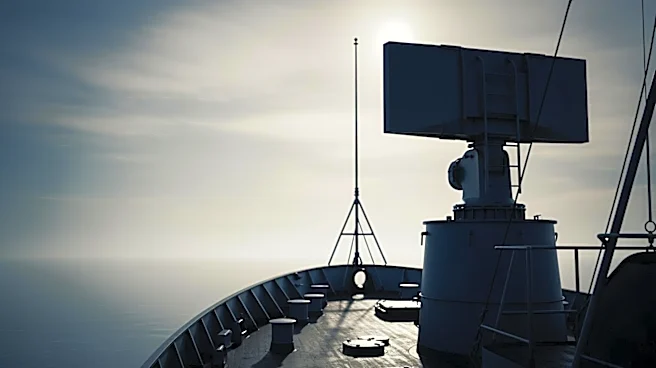







The USS Liberty incident during the Six-Day War in 1967 is a complex case study in military and intelligence operations. The attack on the USS Liberty by Israeli forces has been surrounded by controversy, with debates over the intentions behind the attack and the subsequent handling by U.S. and Israeli authorities.
Military Operations and Misidentification
The USS Liberty was a U.S. Navy technical research ship conducting signals intelligence missions. On June 8, 1967, it was attacked by Israeli
Air Force jet fighters and Navy motor torpedo boats. The attack involved air strafing, napalm bombing, and torpedo launches, resulting in significant casualties and damage.
Israeli forces claimed the attack was a mistake, believing the Liberty to be an Egyptian ship. However, survivors and some officials disputed this account, suggesting the attack was deliberate. The incident raised questions about military protocols and the identification of vessels in conflict zones, highlighting the challenges of ensuring accurate intelligence and communication.
Intelligence and Communication Failures
The USS Liberty incident exposed significant intelligence and communication failures. Messages to increase the ship's distance from the coast were not received until after the attack due to routing issues. Additionally, there were conflicting reports about the ship's identity, with some Israeli sources initially identifying it as a U.S. Navy supply ship.
These failures contributed to the controversy surrounding the incident, with accusations of negligence and deliberate misinformation. The handling of intelligence and communication in military operations remains a critical area of study, as demonstrated by the complexities of the USS Liberty case.
Ongoing Controversy and Debate
The USS Liberty incident has been the subject of numerous investigations, with differing conclusions about the nature of the attack. Some officials and survivors have accused the U.S. government of a cover-up, claiming that high-ranking officials ordered the attack to be ruled an accident despite evidence to the contrary.
The incident continues to be a point of debate, with some intelligence and military officials disputing Israel's explanation. It serves as a reminder of the challenges in military and intelligence operations, particularly in ensuring accurate communication and identification in conflict zones.
The USS Liberty case highlights the importance of transparency and accountability in military engagements, as well as the need for ongoing analysis and discussion to prevent similar incidents in the future.