
The Great Resignation, a significant workforce trend that began in 2021, has had far-reaching economic and social effects. As millions of employees voluntarily left their jobs, the phenomenon not only
disrupted industries but also prompted a reevaluation of work-life balance and employment practices. This article explores the broader implications of the Great Resignation on the economy and society.
Economic Consequences
The Great Resignation led to labor shortages across various sectors, particularly in industries like hospitality, healthcare, and retail. These shortages forced companies to increase wages and offer better benefits to attract and retain employees. As a result, wage growth reached its highest level in decades, contributing to inflationary pressures in the economy.
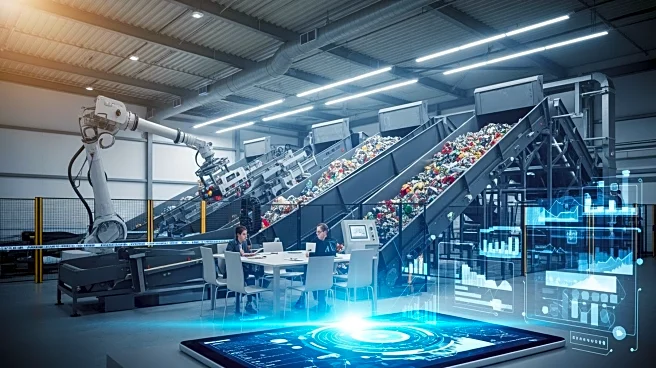
Additionally, the trend accelerated the adoption of automation and technology in the workplace. Businesses invested in robotics and artificial intelligence to mitigate the impact of labor shortages and improve efficiency. This shift not only transformed the nature of work but also raised concerns about job displacement and the need for reskilling the workforce.
Social Implications
On a social level, the Great Resignation highlighted the growing importance of work-life balance and employee well-being. The pandemic prompted individuals to reassess their priorities, leading many to seek jobs that offered greater flexibility and fulfillment. This shift in values has prompted companies to reevaluate their workplace cultures and policies to better align with employee expectations.
The trend also underscored the need for greater inclusivity and diversity in the workplace. As employees sought more meaningful work, organizations began to focus on creating environments that fostered a sense of belonging and purpose. This emphasis on inclusivity has the potential to drive positive social change and improve employee satisfaction and engagement.
Future Outlook and Challenges
While the Great Resignation has prompted positive changes, it also presents challenges for the future. As companies adapt to new workforce dynamics, they must address issues related to job security and the potential for increased automation. Ensuring that employees have access to training and development opportunities will be crucial in preparing them for the evolving job market.
Moreover, the trend has highlighted the need for policies that support work-life balance and employee well-being. As remote work becomes more prevalent, organizations must find ways to maintain productivity while fostering a healthy work environment. By addressing these challenges, businesses can create a more resilient and adaptable workforce, better equipped to navigate future disruptions.