






The merger between the American Football League (AFL) and the National Football League (NFL) in 1970 marked a pivotal moment in the history of American football. This union not only reshaped the landscape of professional football but also set the stage for the NFL to become the most popular sports league in the United States. The merger was announced on June 8, 1966, and was finalized before the 1970 season, creating a single league with two conferences.
The Road to Merger
The AFL was founded in 1960 as a direct competitor to the NFL, attracting top talent and introducing innovative policies that challenged the established league. Despite initial skepticism, the AFL quickly gained traction, signing many of the NFL's first-round draft choices and securing a lucrative television contract with NBC. The rivalry between the two leagues intensified, leading to a bidding war for players and escalating salaries.
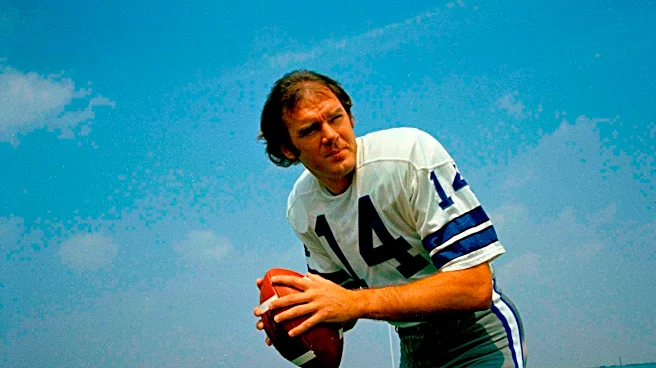
In 1966, the NFL initiated discussions for a merger through a backchannel, with Tex Schramm of the Dallas Cowboys contacting AFL owners. The merger agreement was announced in New York, outlining plans for a common draft and a championship game between the league champions, which would later become known as the Super Bowl. The merger was driven by the need to stabilize player salaries and prevent costly bidding wars.
Impact on the Game
The merger had a profound impact on the game of football, leading to the adoption of many AFL innovations by the NFL. These included the on-field game clock, names on player jerseys, and more wide-open offensive rules. The AFL's influence also extended to recruiting practices, with a focus on small and predominantly black colleges, which diversified the talent pool.
The creation of the Super Bowl as a result of the merger became a cultural phenomenon, drawing massive television audiences and becoming the most-watched annual sporting event in the United States. The merger also led to the expansion of the league, with the addition of new teams and the establishment of southern franchises.
Legacy of the Merger
The AFL-NFL merger paved the way for the NFL's dominance in American sports, creating a unified league that has continued to grow in popularity. The merger ensured the survival of all AFL franchises, which joined the NFL as part of the American Football Conference (AFC). This stability allowed the NFL to expand its reach and influence, becoming a major force in American culture.
Today, the NFL stands as a testament to the success of the merger, with its 32 teams and widespread popularity. The merger not only transformed the league but also set a precedent for future sports mergers, demonstrating the power of collaboration and innovation in shaping the future of professional sports.