


Food safety in the United States is a complex system involving multiple government agencies, each with specific roles and responsibilities. These agencies work together to ensure that the food supply is safe, wholesome, and properly labeled. This article delves into the key government agencies involved in U.S. food safety, highlighting their functions and contributions to protecting public health.
The Food and Drug Administration (FDA)
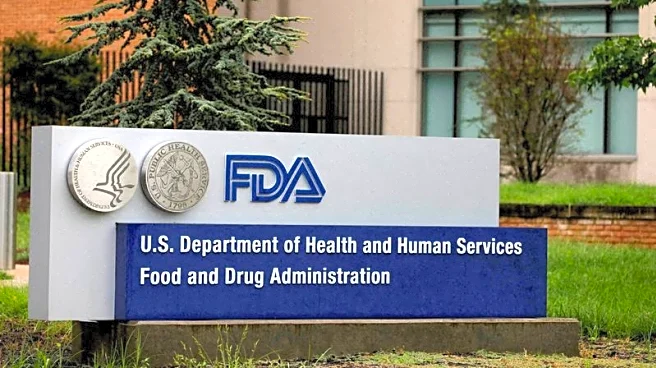
The Food and Drug Administration (FDA) is a pivotal
agency in the realm of food safety. Established in 1927, the FDA is responsible for regulating the safety of all food products except for meat, poultry, and certain egg products. The agency's authority stems from the Food, Drug, and Cosmetic Act of 1938, which requires pre-market approval for new food products and enforces labeling standards.
The FDA plays a crucial role in preventing foodborne illnesses by setting safety standards, conducting inspections, and overseeing food labeling. The agency also regulates food additives and contaminants, ensuring that they meet safety requirements. With the passage of the Food Safety Modernization Act (FSMA) in 2011, the FDA's focus shifted towards preventing contamination, enhancing its ability to protect consumers.
The Food Safety and Inspection Service (FSIS)
The Food Safety and Inspection Service (FSIS) is another key player in U.S. food safety. As part of the U.S. Department of Agriculture (USDA), the FSIS is responsible for ensuring the safety of meat, poultry, and egg products. The agency's authority is derived from the Federal Meat Inspection Act of 1906, the Poultry Products Inspection Act of 1957, and the Egg Products Inspection Act of 1970.
FSIS inspectors are present in slaughterhouses and processing plants, where they conduct inspections to prevent the distribution of contaminated products. The agency enforces regulations related to sanitation, labeling, and microbial contamination, playing a vital role in maintaining the safety of animal-derived food products.
The Centers for Disease Control and Prevention (CDC)
The Centers for Disease Control and Prevention (CDC) is primarily focused on public health and disease prevention, including foodborne illnesses. The CDC monitors and investigates outbreaks of foodborne diseases, providing critical data and analysis to other agencies and the public.
Through its surveillance systems, the CDC tracks the incidence of foodborne illnesses and identifies trends and emerging threats. The agency collaborates with the FDA and FSIS to respond to outbreaks and develop strategies to prevent future occurrences. The CDC's work is essential in understanding the impact of foodborne pathogens and improving food safety practices.
Together, these agencies form a comprehensive network dedicated to ensuring food safety in the United States. By working collaboratively, they address the challenges of foodborne illnesses and strive to protect the health of consumers nationwide.