
Disney's Sleeping Beauty is renowned for its distinctive art style, which set it apart from previous animated films. The visual design of the 1959 classic was largely the work of Eyvind Earle, whose innovative
approach to animation created a tapestry-like aesthetic that continues to influence the industry today. This article explores the artistic vision behind Sleeping Beauty and the impact of Earle's contributions.
Eyvind Earle's Unique Art Style
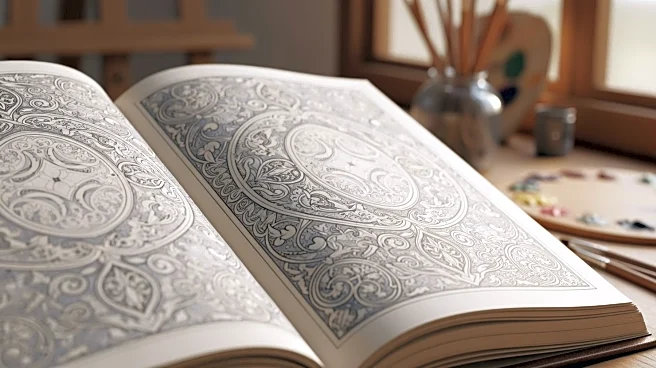
Eyvind Earle, the film's production designer, was instrumental in shaping the visual identity of Sleeping Beauty. Inspired by pre-Renaissance European art, Earle developed a tapestry-like style characterized by bold colors and intricate details. His work drew from a variety of influences, including Gothic and Persian art, medieval tapestries, and Japanese prints. This eclectic mix of styles resulted in a film that was visually distinct from anything Disney had produced before.
Earle's approach to art direction was revolutionary for its time. He was given unprecedented control over the film's visual appearance, ensuring a unified look from beginning to end. His background paintings defined the film's art direction, with over eight hundred backgrounds created under his supervision. Earle's use of one-point perspective and geometric patterns added depth and complexity to the film's visual landscape, making it a true work of art.
Challenges and Innovations in Animation
While Earle's art style was groundbreaking, it also presented challenges for the animators. The detailed backgrounds and stylized characters required animators to adapt to a new aesthetic, which was a time-consuming process. Some animators struggled with the unfamiliar style, worried that it didn't suit the fairy tale genre. However, Walt Disney insisted on maintaining Earle's vision, believing that the unique art style would set Sleeping Beauty apart from previous films.
The decision to film Sleeping Beauty in Super Technirama 70 added another layer of complexity to the animation process. This widescreen format required animators to work with larger sheets of paper and create more detailed artwork to fill the expanded frame. Despite these challenges, the combination of Earle's art style and the innovative use of technology resulted in a visually stunning film that continues to captivate audiences.
The Lasting Impact of Sleeping Beauty's Art
The artistic vision of Sleeping Beauty has had a lasting impact on the animation industry. Earle's work inspired future Disney films, such as Pocahontas and Frozen, which drew from his stylized backgrounds and bold color choices. The film's unique art style has also influenced animators and artists outside of Disney, cementing its place as a landmark in animation history.
Today, Sleeping Beauty is celebrated for its artistic achievements and remains a testament to the power of visual storytelling. Earle's contributions to the film have left an indelible mark on the world of animation, inspiring generations of artists to push the boundaries of their craft.