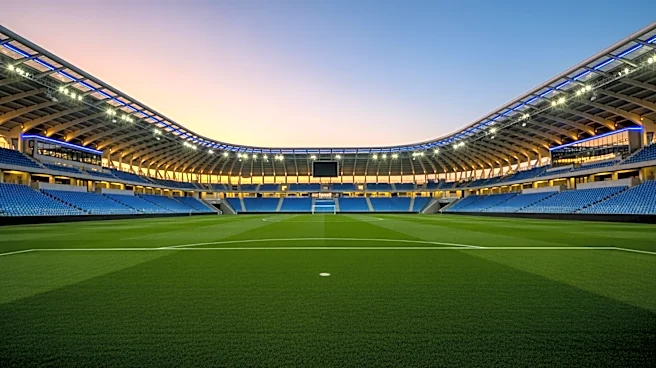







The 1966 FIFA World Cup final between England and West Germany is not only remembered for England's victory but also for the controversies that surrounded the match. Held at Wembley Stadium, the game ended 4-2 in favor of England after extra time. However, debates over certain decisions made during the match have persisted over the years, adding layers of intrigue to this historic event.
The Third Goal Controversy
One of the most debated moments in the 1966 final is England's
third goal, scored by Geoff Hurst. The goal was awarded after the ball hit the crossbar and bounced down, with the referee deciding it had crossed the line. This decision has been scrutinized extensively, with many questioning whether the ball truly crossed the line. The controversy has sparked discussions among fans and experts alike, with some arguing that the goal should not have been allowed.
The debate over Hurst's third goal highlights the challenges of officiating in football, especially in high-stakes matches like the World Cup final. Despite technological advancements in the sport, the decision remains a point of contention, illustrating the subjective nature of refereeing. The controversy has become a part of football folklore, contributing to the enduring legacy of the 1966 final.
The Fourth Goal and Pitch Invasion
Another point of contention in the 1966 final was England's fourth goal, also scored by Geoff Hurst. As Hurst netted the ball, fans began to invade the pitch, celebrating prematurely. The rules of the game state that play should be stopped in such circumstances, yet the goal was allowed to stand. This decision has been criticized by some, who argue that the pitch invasion constituted outside interference.
The fourth goal controversy adds another layer to the debates surrounding the 1966 final. While the goal was ultimately deemed valid, the circumstances under which it was scored have led to discussions about the influence of home advantage and the role of referees in maintaining the integrity of the game. The incident underscores the complexities of managing large sporting events and the impact of passionate fans on the proceedings.
Impact on Football Officiating
The controversies of the 1966 World Cup final have had a lasting impact on football officiating. They have highlighted the need for clear rules and the importance of technology in assisting referees. The debates surrounding the match have contributed to the development of systems like goal-line technology, aimed at reducing human error and ensuring fair play.
The 1966 final serves as a reminder of the challenges faced by officials in the sport and the importance of transparency and accuracy in decision-making. The controversies have become a part of football history, influencing the evolution of the game and shaping the way matches are officiated today. As the sport continues to grow, the lessons learned from the 1966 final remain relevant, guiding efforts to improve the fairness and integrity of football.