





Martha's Vineyard, an island located off the coast of Massachusetts, is renowned for its stunning landscapes and diverse ecosystems. With a land area of about 96 square miles, the island is the third-largest on the East Coast of the United States. This article provides an overview of the geographic features and environmental aspects that define Martha's Vineyard.
Geographic Features
Martha's Vineyard is situated just south of Cape Cod and is part of Dukes County, Massachusetts.
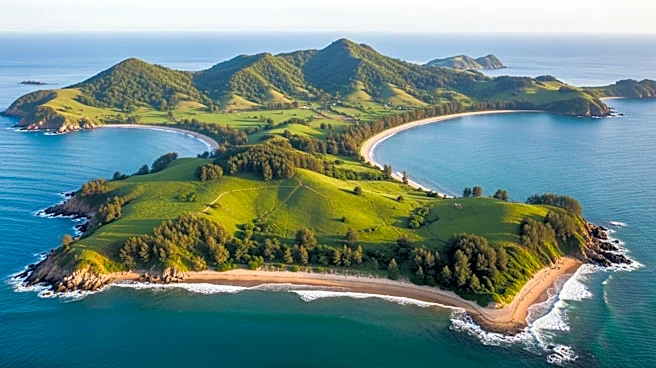
The island includes the peninsula of Chappaquiddick Island and is surrounded by the Atlantic Ocean. Its coastline stretches approximately 124 miles, offering a variety of beaches, cliffs, and harbors.
The island's highest point is Peaked Hill, with an elevation of 311 feet. Martha's Vineyard's diverse geography includes rolling hills, sandy beaches, and lush forests, making it a popular destination for outdoor enthusiasts and nature lovers.
Environmental Significance
Martha's Vineyard is home to a range of ecosystems that support diverse flora and fauna. The island's natural beauty is preserved through various conservation efforts, including the establishment of wildlife refuges and nature reserves. These protected areas provide habitats for native species and contribute to the island's ecological balance.
The island's climate is influenced by the surrounding Atlantic Ocean, which moderates temperatures throughout the year. Winters are cool to cold, while summers are warm and humid. The island receives an average of 46.94 inches of precipitation annually, supporting its lush vegetation and vibrant ecosystems.
Challenges and Conservation Efforts
Martha's Vineyard faces environmental challenges, including the impact of tourism and development on its natural resources. The island's community is actively engaged in conservation efforts to protect its unique landscapes and ecosystems.
Organizations like the Martha's Vineyard Commission play a vital role in regulating building, environmental, and aesthetic concerns across the island. These efforts ensure that the island's natural beauty is preserved for future generations while balancing the needs of residents and visitors.
Martha's Vineyard's geographic and environmental features make it a unique destination with a rich natural heritage. The island's diverse landscapes and ecosystems are a testament to its environmental significance, attracting visitors from around the world who seek to experience its beauty and tranquility.