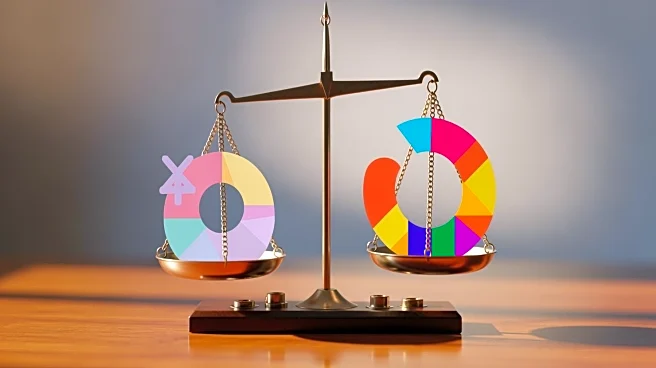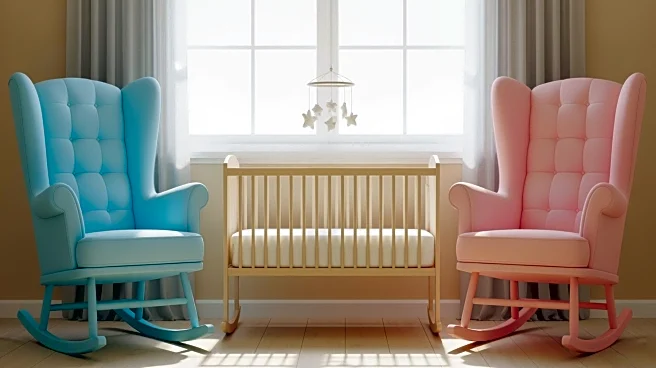

Gender roles and expectations have long influenced parenting practices, shaping how mothers and fathers interact with their children. While traditional gender roles often dictate distinct responsibilities
for each parent, modern parenting is increasingly characterized by shared duties and more fluid roles. This article examines the impact of gender on parenting, highlighting the evolving dynamics and challenges faced by parents today.
Traditional Gender Roles in Parenting
Historically, parenting roles have been divided along gender lines, with mothers typically responsible for nurturing and caregiving, while fathers provided financial support and discipline. This division of labor was rooted in societal norms and economic structures, which often limited women's opportunities outside the home.
In many cultures, mothers were expected to be the primary caregivers, attending to their children's physical and emotional needs. This role was often reinforced by biological factors, such as breastfeeding, which naturally positioned mothers as the primary source of nourishment and comfort for infants.
Fathers, on the other hand, were often seen as authority figures, responsible for instilling discipline and providing for the family's material needs. This traditional view of fatherhood emphasized strength and protection, with fathers playing a more distant role in their children's daily lives.
Shifts in Gender Roles and Parenting
In recent decades, gender roles in parenting have undergone significant changes, driven by shifts in societal attitudes and increased opportunities for women in the workforce. As more women pursue careers outside the home, fathers are taking on a more active role in child-rearing, challenging traditional notions of masculinity and fatherhood.
Modern parenting is increasingly characterized by shared responsibilities, with both parents participating in caregiving, discipline, and decision-making. This shift has been supported by research highlighting the benefits of involved fatherhood, including improved child development outcomes and stronger family bonds.
Despite these changes, gender disparities in parenting persist, with women often bearing a disproportionate share of domestic and caregiving duties. This imbalance can lead to stress and burnout for mothers, highlighting the need for continued efforts to promote gender equality in parenting.
The Future of Gender and Parenting
As societal norms continue to evolve, the future of gender roles in parenting remains uncertain. However, there is a growing recognition of the importance of flexible and equitable parenting practices that accommodate the diverse needs of families.
By challenging traditional gender roles and embracing shared responsibilities, parents can create a more supportive and nurturing environment for their children. This approach not only benefits individual families but also contributes to broader societal progress toward gender equality.
In conclusion, gender plays a significant role in shaping parenting practices, with traditional roles giving way to more equitable and inclusive approaches. As parents navigate these changes, they have the opportunity to redefine what it means to be a mother or father in today's world.