



Brochures have long been a staple in marketing and promotional strategies, serving as a key tool for introducing organizations, products, and services to potential audiences. Traditionally, brochures were printed on paper and distributed by hand or through mail. However, with the advent of digital technology, the format and distribution of brochures have evolved significantly. This article explores the journey of brochures from their traditional print origins
to their modern digital incarnations.
The Traditional Print Brochure
In the past, brochures were primarily produced as folded paper pieces, such as pamphlets or leaflets. These printed materials were designed to be visually appealing and informative, often featuring multiple panels that provided a summary of promotional information. The physical nature of print brochures allowed them to be distributed in various ways, including personal handouts, direct mail, and as inserts in newspapers or folders. They were also commonly displayed in brochure racks at high-traffic locations, particularly in tourist areas.
Print brochures were typically created using high-quality paper and vibrant colors to capture the attention of potential customers. The use of folds, such as bi-folds and tri-folds, allowed for creative layouts that could effectively convey a message. Despite their effectiveness, print brochures had limitations, including the cost of production and the challenge of reaching a wide audience without significant distribution efforts.
The Rise of Digital Brochures
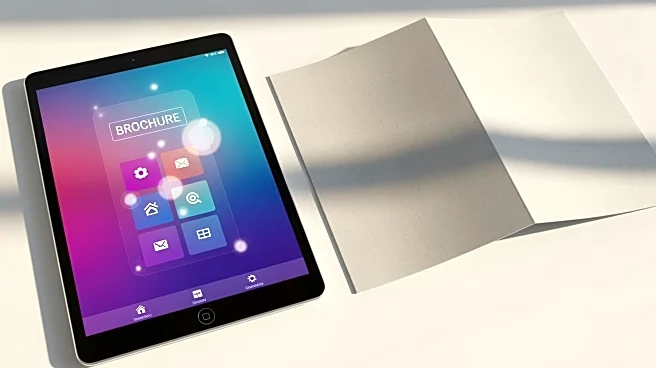
With the rise of digital technology, brochures have undergone a significant transformation. Digital brochures, often referred to as e-brochures, have become increasingly popular due to their cost-effectiveness and ease of distribution. Unlike their print counterparts, digital brochures can be shared instantly with a global audience through email, websites, and social media platforms.
The digital format allows for interactive elements, such as hyperlinks and multimedia content, which can enhance the user experience and provide more detailed information. Companies can now create dynamic brochures that engage audiences in ways that print brochures could not. Additionally, digital brochures can be easily updated, ensuring that the information remains current and relevant.
The Future of Brochures
As technology continues to advance, the future of brochures looks promising. The integration of augmented reality (AR) and virtual reality (VR) into digital brochures is already being explored, offering immersive experiences that can captivate audiences. These technologies have the potential to transform brochures into interactive tools that provide a deeper understanding of products and services.
Despite the shift towards digital, print brochures still hold value, particularly in settings where physical interaction is preferred. The choice between print and digital often depends on the target audience and the specific goals of a marketing campaign. As businesses continue to adapt to changing consumer preferences, the versatility of brochures ensures they will remain a vital component of marketing strategies for years to come.