







Antioxidants are crucial in the fight against oxidative stress, a condition where an imbalance between reactive oxygen species (ROS) and the body's ability to detoxify them leads to cellular damage. While antioxidants can mitigate oxidative stress, their excessive intake may pose risks. Understanding the role of antioxidants is essential for maintaining cellular health and preventing disease.
How Antioxidants Work
Antioxidants are molecules that neutralize ROS, preventing
them from causing cellular damage. They achieve this by donating electrons to ROS, effectively stabilizing these reactive molecules. The body produces several enzymatic antioxidants, such as superoxide dismutase, catalase, and glutathione peroxidase, which play a vital role in maintaining the balance between ROS production and detoxification.
In addition to enzymatic antioxidants, dietary antioxidants from fruits, vegetables, and other foods contribute to the body's defense against oxidative stress. These include vitamins C and E, beta-carotene, and polyphenols. By incorporating a diet rich in these nutrients, individuals can enhance their antioxidant defenses and reduce the risk of oxidative stress-related diseases.
Potential Risks of Excessive Antioxidant Intake
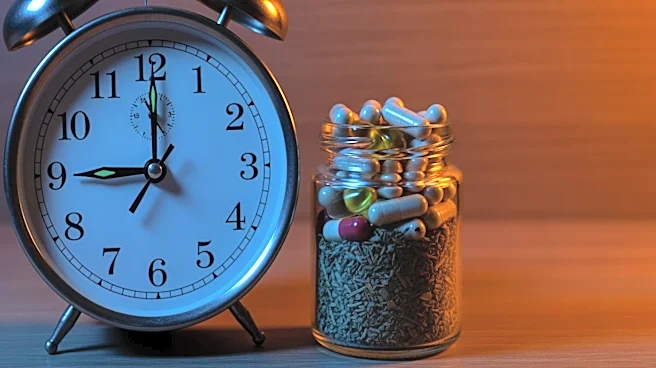
While antioxidants are beneficial, excessive intake, particularly through supplements, can lead to antioxidative stress. This condition occurs when an overabundance of antioxidants interferes with the body's natural immune response, potentially leading to health issues such as allergies and asthma.
High doses of certain antioxidant supplements, like beta-carotene and vitamin E, have been linked to increased health risks, including higher mortality rates and an elevated risk of certain cancers. Therefore, it is crucial to approach antioxidant supplementation with caution and seek guidance from healthcare professionals to avoid potential adverse effects.
Balancing Antioxidant Intake
Achieving a balance in antioxidant intake is essential for optimal health. While dietary sources of antioxidants are generally safe and beneficial, reliance on supplements should be approached with care. The American Heart Association recommends obtaining antioxidants from a diet rich in fruits, vegetables, and whole grains rather than supplements.
Regular exercise and avoiding exposure to environmental pollutants can also help manage oxidative stress. By adopting a balanced approach to antioxidant intake and maintaining a healthy lifestyle, individuals can effectively combat oxidative stress and reduce the risk of related diseases.
Understanding the role of antioxidants and the potential risks of excessive intake is vital for maintaining cellular health. By focusing on a balanced diet and lifestyle, individuals can harness the benefits of antioxidants while minimizing potential harm.