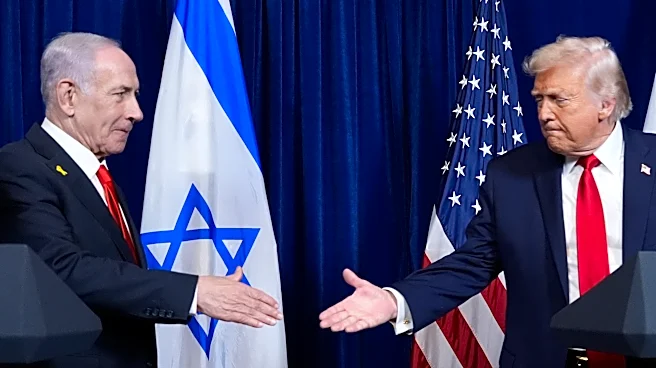







The USS Liberty incident in 1967 was not only a tragic event but also a diplomatic flashpoint between the United States and Israel. The attack on the USS Liberty by Israeli forces during the Six-Day War led to significant diplomatic fallout and ongoing controversy, with accusations of cover-ups and deliberate aggression.
Immediate Diplomatic Reactions
In the aftermath of the attack, Israel quickly apologized, claiming the incident was a mistake due to confusion about the ship's
identity. Despite this apology, the U.S. government expressed strong dismay, with Secretary of State Dean Rusk stating that the attack showed reckless disregard for human life. President Lyndon B. Johnson, however, accepted the Israeli explanation, which led to accusations of a cover-up.
The incident prompted Israel to pay compensation to the U.S. government for the families of the deceased and the wounded crew members. These payments were made over several years, totaling millions of dollars. Despite these efforts, the incident left a lasting impact on U.S.-Israeli relations, with lingering distrust and unresolved questions.
Accusations and Investigations
The USS Liberty incident has been the subject of numerous investigations and reports. The U.S. Naval Court of Inquiry and other government bodies conducted inquiries, but many survivors and officials felt these investigations were insufficient. Accusations of a cover-up persisted, with claims that President Johnson and Secretary McNamara ordered the attack to be ruled an accident.
In 2004, Ward Boston, who served as chief counsel to the Naval Board of Inquiry, signed an affidavit stating that the attack was deliberate and that the official conclusion of mistaken identity was ordered by high-ranking officials. This statement added fuel to the ongoing controversy and calls for further investigation.
Legacy and Ongoing Debate
The USS Liberty incident remains a contentious topic, with some intelligence and military officials continuing to dispute Israel's explanation. The incident has been referenced in antisemitic conspiracy theories, complicating its legacy and impact on U.S.-Israeli relations.
Despite the passage of time, the incident continues to be a point of debate and discussion. It serves as a reminder of the complexities involved in international diplomacy and military engagements, highlighting the challenges of navigating such incidents in a way that respects the truth and the lives affected.