



Virgo, the sixth sign of the zodiac, is steeped in rich mythological history that spans various cultures. Known for its association with the virgin or maiden, Virgo's mythological connections offer a fascinating glimpse into how ancient stories and beliefs have shaped its symbolism in astrology. From Greek and Roman myths to Egyptian and Christian traditions, Virgo's mythological roots provide a deeper understanding of its significance.
Greek and Roman Mythology
In Greek mythology,
Virgo is linked to Astraea, the last immortal to leave Earth during the Silver Age. Astraea's departure marked the end of an era when gods fled to Olympus, leaving Virgo associated with Earth. This connection is further emphasized by Astraea's transformation into the constellation of Virgo. Additionally, Virgo is associated with Demeter, the Greek goddess of the harvest, and her daughter Persephone, the queen of the Underworld. These associations highlight Virgo's ties to themes of fertility and the cycle of life.
Roman mythology also plays a role in Virgo's symbolism. The Romans associated Virgo with their goddess Ceres, who, like Demeter, was linked to agriculture and the harvest. This connection underscores Virgo's association with the earth and its cycles, reflecting the sign's practical and nurturing qualities.
Other Mythological Associations
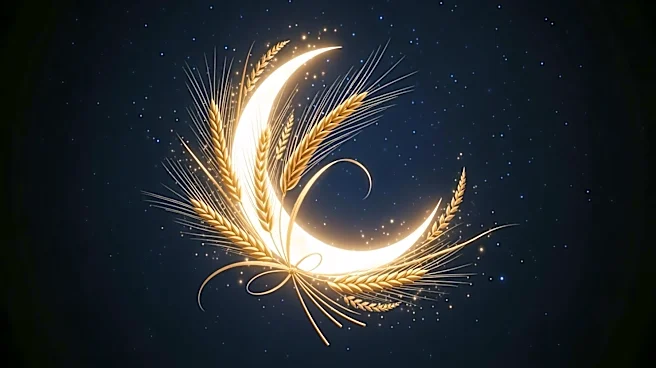
Virgo's mythological connections extend beyond Greek and Roman stories. In Egyptian mythology, the Sun's presence in Virgo signaled the beginning of the wheat harvest, further linking Virgo to themes of fertility and abundance. This association with the wheat grain is a recurring motif in Virgo's symbolism, emphasizing its connection to the earth and its resources.
Christianity also offers symbolic connections to Virgo. The birth of Jesus to a virgin in Bethlehem is seen as symbolically linked to Virgo, reinforcing the sign's association with purity and new beginnings. These diverse mythological connections illustrate how Virgo's symbolism has been shaped by various cultural narratives.
The Legend of Parthenos
Another intriguing mythological story associated with Virgo is the legend of Parthenos. According to this tale, Parthenos was the daughter of Staphylus and Chrysothemis, and sister to Rhoeo and Molpadia. After a series of tragic events, Parthenos was saved by Apollo and became a local goddess. This story highlights themes of transformation and divine intervention, adding another layer to Virgo's rich mythological tapestry.
Virgo's mythological roots offer a fascinating exploration of how ancient stories and beliefs have influenced its symbolism in astrology. From Greek and Roman myths to Egyptian and Christian traditions, Virgo's associations with themes of fertility, purity, and transformation continue to resonate in its astrological interpretation.