






Mechanical stress is a crucial concept in understanding how materials respond to external forces. This article examines the different types of mechanical stress and their effects on materials, highlighting their significance in engineering and material science.
Types of Mechanical Stress
Mechanical stress can be categorized into several types, including tensile stress, compressive stress, and shear stress. Tensile stress occurs when an object is pulled apart, leading to elongation,
while compressive stress happens when an object is pushed together, resulting in shortening. Shear stress involves forces that are parallel to the surface, causing deformation without a change in volume.
These types of stress are essential in analyzing how materials behave under different conditions. For instance, tensile stress is crucial in designing structures that can withstand pulling forces, while compressive stress is important for materials subjected to pushing forces.
Effects of Stress on Materials
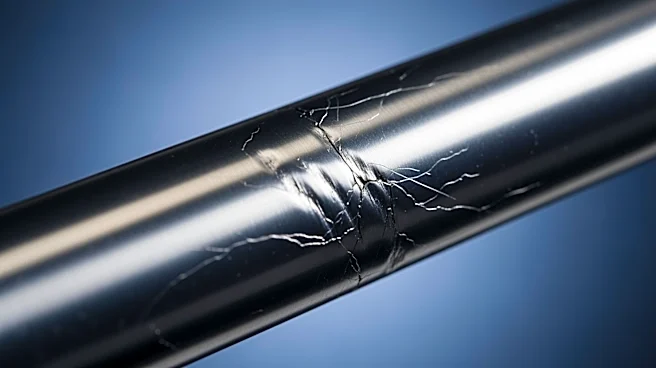
Stress can have various effects on materials, influencing their physical properties and behavior. When stress exceeds certain strength limits, it can result in permanent deformation, such as plastic flow or fracture. Stress can also change the crystal structure and chemical composition of materials, affecting their overall performance.
Understanding the effects of stress is vital in material science, as it helps predict how materials will react under various forces. By analyzing stress distribution within a material, engineers can design structures that are safe and efficient.
Applications in Engineering
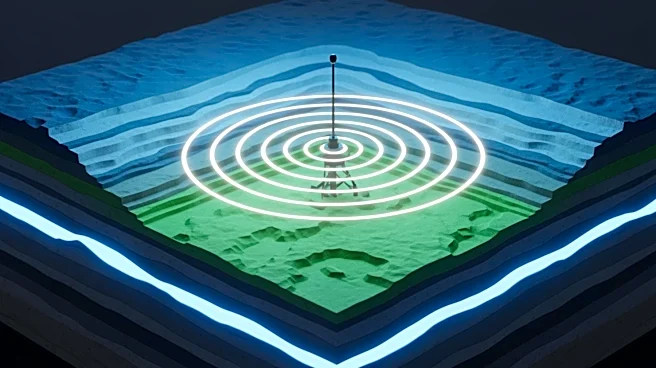
Mechanical stress analysis is used in the study and design of structures like tunnels, dams, and mechanical parts, ensuring they can withstand expected loads. It is also important in geology to study phenomena like plate tectonics and in biology to understand the anatomy of living beings.
The ability to quantify stress allows for the development of materials that can endure specific conditions, leading to advancements in technology and construction. Stress analysis is a key tool in engineering, contributing to the safety and functionality of various structures.
Mechanical stress and its effects are fundamental concepts in material science, impacting engineering and technology. By understanding stress, scientists and engineers can ensure the safety and efficiency of structures, leading to technological advancements.