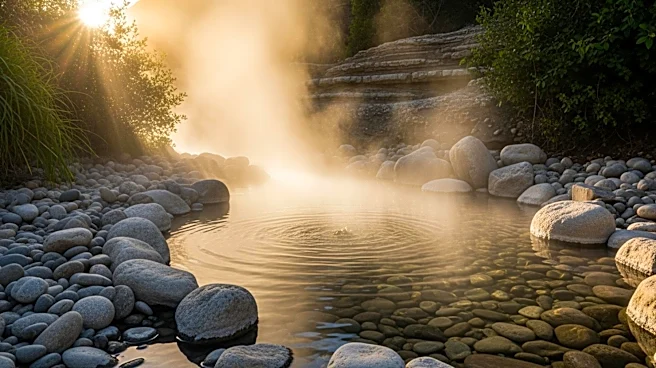






Hot Springs National Park, located in central Arkansas, is a site rich in history and natural beauty. Established in 1921, the park is renowned for its natural hot springs and historic bathhouses. This article explores the park's historical evolution, from its early days as a federal reservation to its current status as a national park managed by the National Park Service.
Early Beginnings and Federal Protection
The history of Hot Springs National Park dates back to the early 19th century.
In 1832, the United States Congress created the Hot Springs Reservation, marking the first time the federal government set aside land to preserve its natural resources. This move was significant as it laid the groundwork for the future establishment of national parks across the country. The reservation was intended to protect the thermal waters, which were believed to have healing properties and were a subject of legend among Native American tribes.
The area around the hot springs was initially inhabited by the Quapaw Native Americans, who ceded the land to the United States in 1818. Following this, the Arkansas Territorial Legislature requested that the springs and surrounding mountains be designated as a federal reservation. This request was granted in 1832, ensuring the protection of the thermal waters for future generations.
Transition to a National Park
In 1921, the Hot Springs Reservation was officially renamed Hot Springs National Park. This transition marked a new era for the area, as it became part of the growing national park system in the United States. The park's establishment was a testament to the importance of preserving natural and cultural resources for public enjoyment and education.
The National Park Service took over the management of the park, ensuring that the historic bathhouses and natural springs were maintained and accessible to visitors. The park's unique combination of natural beauty and historical significance has made it a popular destination for tourists seeking relaxation and a glimpse into the past.
Preservation and Modern-Day Significance
Today, Hot Springs National Park continues to be a vital part of the National Park Service's mission to preserve America's natural and cultural heritage. The park's historic bathhouses, located along Bathhouse Row, have been carefully restored and are a central attraction for visitors. These bathhouses offer a glimpse into the past, showcasing the architectural styles and cultural practices of the early 20th century.
The park's natural hot springs remain a focal point, drawing visitors from around the world who seek the therapeutic benefits of the thermal waters. The National Park Service's commitment to preserving the park's unique features ensures that future generations can continue to enjoy and learn from this historic site.
In conclusion, Hot Springs National Park's evolution from a federal reservation to a national park highlights the importance of preserving natural and cultural resources. Its rich history and ongoing significance make it a cherished destination for those seeking both relaxation and a connection to the past.