

Cooking at high altitudes presents unique challenges due to the lower atmospheric pressure, which affects the boiling point of water. As elevation increases, the boiling point decreases, requiring adjustments in cooking methods to ensure food is properly prepared. Understanding these challenges and solutions is essential for successful high-altitude cooking.
The Impact of Altitude on Boiling
At sea level, water boils at 100°C, but this temperature decreases with elevation. For every
500 feet increase in altitude, the boiling point is lowered by approximately 1°F. At 8,000 feet, water boils at just 92°C. This reduction in boiling temperature means that food takes longer to cook, and some dishes may not be prepared correctly if the required temperatures are not reached.
The lower boiling point at high altitudes affects cooking methods that rely on boiling or steaming. Foods that require high temperatures may remain undercooked, posing a challenge for cooks in mountainous regions. Adjustments must be made to compensate for these changes, ensuring that meals are both safe and enjoyable.
Solutions for High-Altitude Cooking
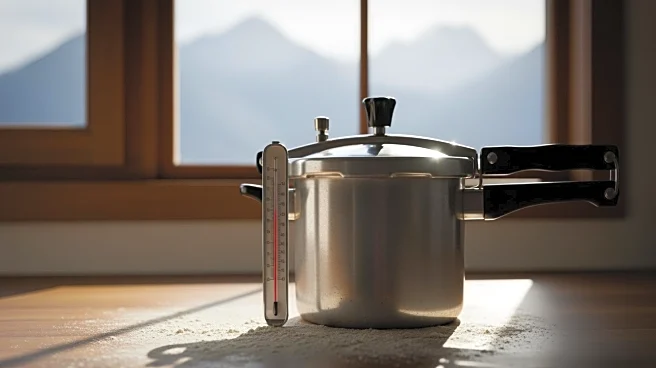
To address the challenges of high-altitude cooking, several solutions can be implemented. One common method is to extend cooking times, allowing food to reach the desired level of doneness despite the lower boiling temperature. Another effective solution is the use of a pressure cooker, which increases the pressure inside the cooking vessel, raising the boiling point and allowing food to cook at higher temperatures.
Pressure cookers are particularly useful for boiling and steaming at high altitudes, as they provide the necessary conditions for proper cooking. This method ensures that foods are cooked thoroughly, maintaining their flavor and texture. By understanding and applying these solutions, cooks can overcome the obstacles posed by high-altitude environments.
Practical Considerations
High-altitude cooking requires careful planning and adaptation. Recipes may need to be adjusted, and cooking times extended to achieve the desired results. Awareness of the boiling point changes and the use of appropriate equipment, like pressure cookers, are key to successful cooking at elevation.
In summary, high-altitude cooking presents challenges due to the lower boiling point of water, but these can be overcome with thoughtful adjustments and techniques. By understanding the impact of altitude and employing effective solutions, cooks can ensure that their meals are both delicious and safe, regardless of elevation.