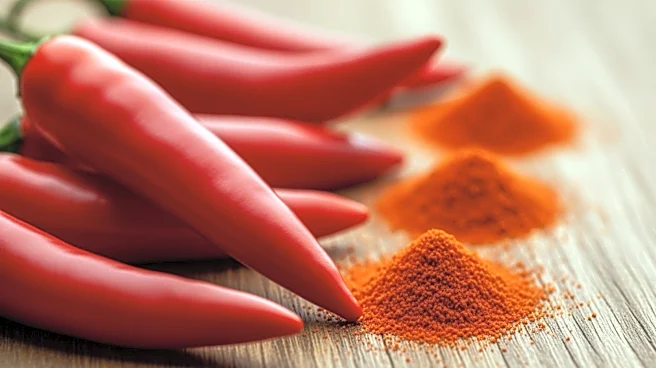








Cayenne pepper is renowned for its fiery heat, which can add a spicy kick to any dish. But what exactly determines the heat level of cayenne pepper, and how is it measured? This article delves into the science behind the heat of cayenne pepper, focusing on the Scoville scale and the factors that influence its spiciness.
The Scoville Scale Explained
The heat of cayenne pepper is measured using the Scoville scale, a system developed by American pharmacist Wilbur Scoville in 1912.
The scale quantifies the spiciness of chili peppers by measuring the concentration of capsaicinoids, the compounds responsible for their heat. Capsaicin, the most prominent capsaicinoid, binds with pain receptors in the mouth, creating a sensation of heat.
Cayenne pepper typically ranges from 30,000 to 50,000 Scoville Heat Units (SHU), placing it in the "hot" category. This means that cayenne pepper is significantly spicier than milder peppers like jalapeños, which range from 2,500 to 8,000 SHU. The Scoville scale provides a useful reference for understanding the relative heat of different peppers and helps consumers choose the right level of spiciness for their preferences.
Factors Influencing Heat Levels
Several factors can influence the heat level of cayenne pepper. The concentration of capsaicinoids in the pepper is affected by growing conditions, such as soil quality, temperature, and water availability. Peppers grown in hotter, drier climates tend to have higher capsaicin levels, resulting in a spicier flavor.
The specific cultivar of cayenne pepper also plays a role in its heat level. While most varieties fall within the 30,000 to 50,000 SHU range, some cultivars are milder, with heat levels as low as 20,000 SHU. These variations allow for a range of spiciness, catering to different taste preferences and culinary applications.
Enjoying the Heat of Cayenne Pepper
Cayenne pepper's heat is not just about spiciness; it also adds depth and complexity to dishes. The pepper's fiery flavor can enhance the taste of soups, stews, and sauces, providing a warming sensation that complements a variety of ingredients.
For those who enjoy a spicy kick, cayenne pepper is a versatile ingredient that can be used in both savory and sweet dishes. Whether sprinkled over eggs or added to chocolate desserts, cayenne pepper's heat can elevate the flavor profile of any meal, making it a favorite among spice enthusiasts.