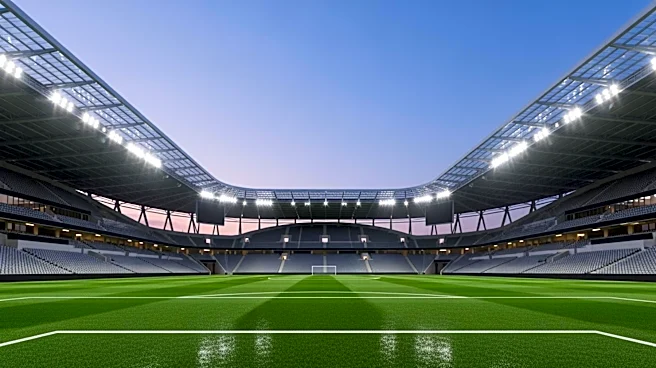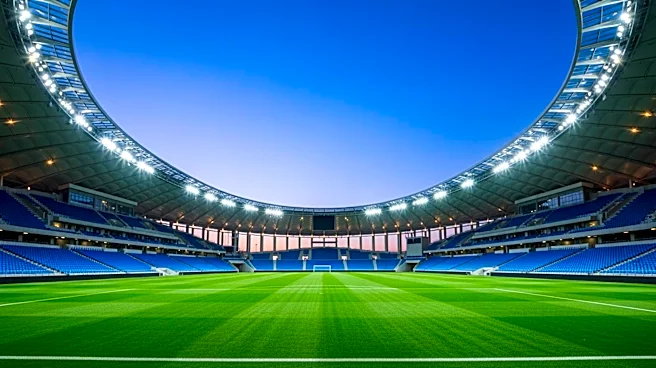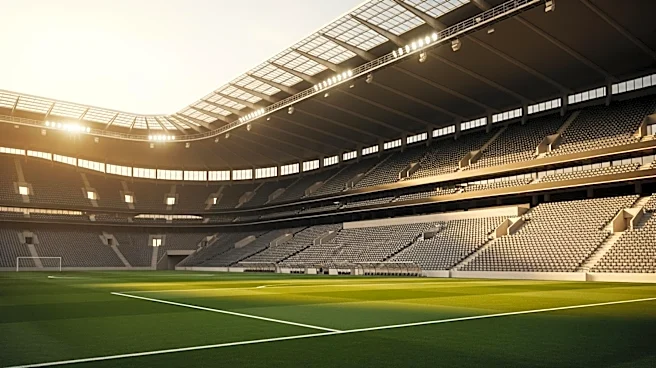



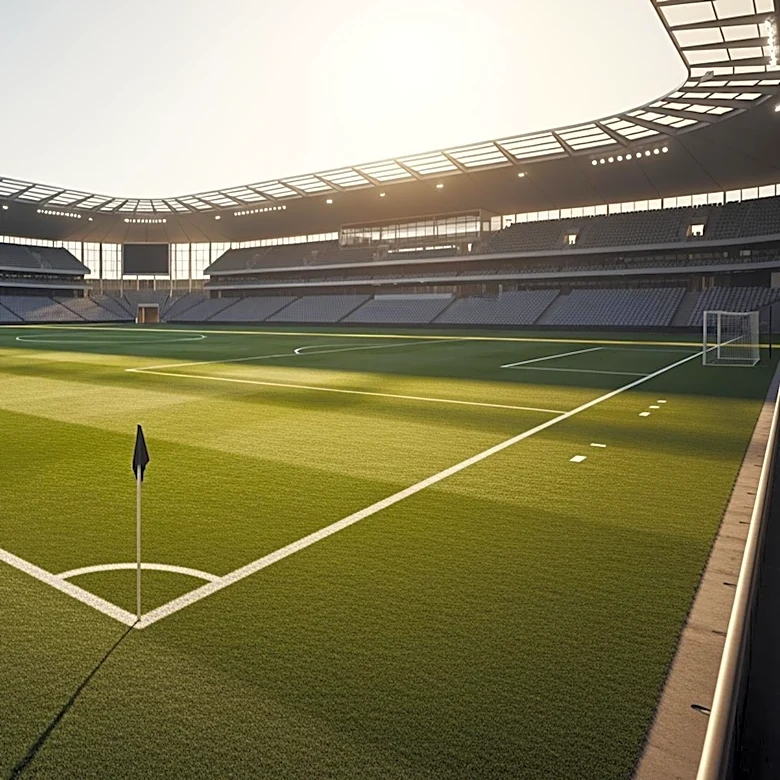




The Stade Vélodrome in Marseille, France, is a testament to the dynamic nature of sports architecture. Since its opening in 1937, the stadium has undergone numerous renovations and expansions, each reflecting the evolving needs of sports and entertainment. This article explores the architectural journey of the Stade Vélodrome, highlighting key changes and modernization efforts that have shaped its current form.
Initial Design and Early Modifications
The Stade Vélodrome was designed by architect
Henri Ploquin and opened in 1937. Initially, it featured a cycling track and facilities for various sports, with a seating capacity of 35,000. The design was typical of the era, focusing on functionality and versatility to accommodate different sports events.
In the 1970s, the stadium underwent its first major renovation. The cycling track was removed, and the seating capacity was increased to 55,000. This change marked a shift towards prioritizing football, as the sport's popularity surged. The addition of floodlights and improved facilities further enhanced the stadium's appeal, setting the stage for future international events.
Transformations for Global Competitions
The Stade Vélodrome's most significant architectural transformation occurred in preparation for the 1998 FIFA World Cup. The renovation increased the stadium's capacity to 60,000 and involved the removal of the cycling track, making it a dedicated football venue. This period also saw the introduction of modern amenities and improved spectator facilities, aligning the stadium with international standards.
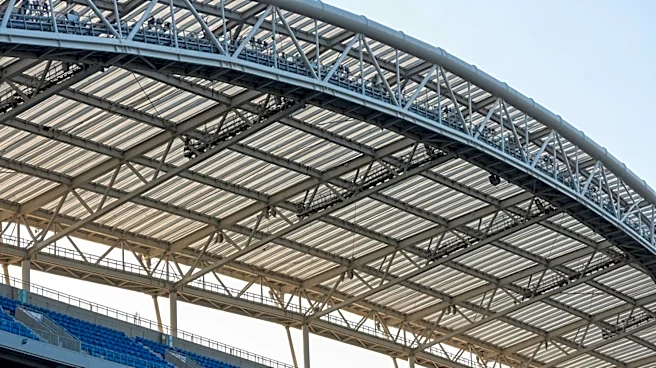
Further changes were made for the UEFA Euro 2016, when the stadium's capacity was expanded to 67,394, and a roof was added. This modernization effort not only improved the spectator experience by providing shelter from the elements but also enhanced the stadium's acoustics, creating a more vibrant atmosphere during events. These upgrades solidified the Vélodrome's status as a top-tier venue for international competitions.
The Modern Vélodrome and Future Developments
Today, the Stade Vélodrome stands as a symbol of modern sports architecture. Its sleek design and state-of-the-art facilities make it a preferred venue for major events, including football, rugby, and concerts. The stadium's ability to adapt to changing demands has been key to its longevity and success.
Looking ahead, the Stade Vélodrome continues to evolve. Plans for future developments focus on sustainability and enhancing the fan experience. As Marseille prepares to host the 2024 Summer Olympics, the stadium will once again be at the forefront of global sports, showcasing its architectural prowess and commitment to excellence. The Vélodrome's journey from a multi-purpose venue to a modern sports icon is a testament to the power of innovation and adaptation in architecture.