






Basil, a beloved herb in the culinary world, is not only known for its flavor but also for its fascinating botanical characteristics. As a member of the Lamiaceae family, basil exhibits unique features that make it a standout in gardens and kitchens alike. With numerous varieties, each offering distinct flavors and aromas, basil is a botanical marvel worth exploring.
Botanical Characteristics
Basil plants are typically annuals, though they can be grown as perennials in warmer
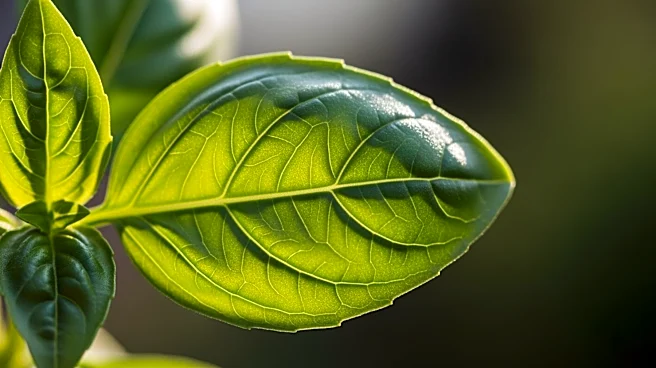
climates. Depending on the variety, basil can reach heights of 30 to 150 centimeters. The leaves are glossy and ovate, with smooth or slightly toothed edges, and are arranged oppositely along square stems. This structural arrangement is characteristic of the mint family, to which basil belongs.
The flowers of basil are small and white, emerging from a central inflorescence atop the plant. Unlike other members of the Lamiaceae family, basil's stamens and pistil lie over the inferior lip of the corolla, a unique feature that aids in pollination. After pollination, the corolla falls off, and four round achenes develop inside the calyx, completing the plant's reproductive cycle.
Diverse Varieties
Basil's diversity is one of its most intriguing aspects. Sweet basil, or Genovese basil, is the most common variety, known for its sweet and slightly peppery flavor. Thai basil, with its anise-like aroma, is a staple in Southeast Asian cuisine, adding depth to dishes like curries and stir-fries.
Lemon basil, a hybrid between basil and American basil, is prized for its citrusy scent and is widely used in Indonesian and Thai cooking. Other varieties include Mrs. Burns' Lemon basil, African blue basil, and cinnamon basil, each offering unique flavors and uses. This diversity allows basil to be a versatile ingredient in a wide range of culinary applications.
Cultivation and Growth
Basil thrives in hot, dry conditions and prefers full sun exposure. It is sensitive to cold, making it ideal for cultivation in tropical and Mediterranean climates. Basil can be grown indoors on a sun-facing windowsill or outdoors in well-drained soil. Regular pruning encourages leaf production and prevents the plant from becoming woody.
Propagation can be achieved through seeds or cuttings, with seeds requiring a warm germination temperature. Basil's ability to cross-pollinate with other species in the Ocimum genus results in hybrids that further expand its variety. This adaptability and diversity make basil a favorite among gardeners and chefs alike.