





Food processors have become an essential part of modern kitchens, revolutionizing the way we prepare meals. These versatile appliances have a rich history that dates back to the mid-20th century, evolving from simple manual devices to sophisticated electric machines. This article delves into the historical development of food processors, highlighting key milestones and innovations that have shaped their journey.
The Birth of Food Processors
The concept of food processors began
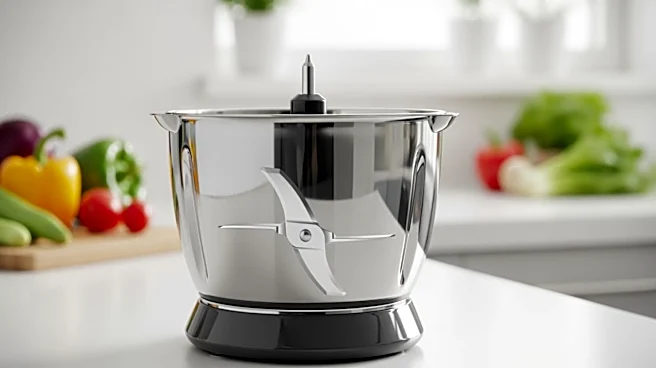
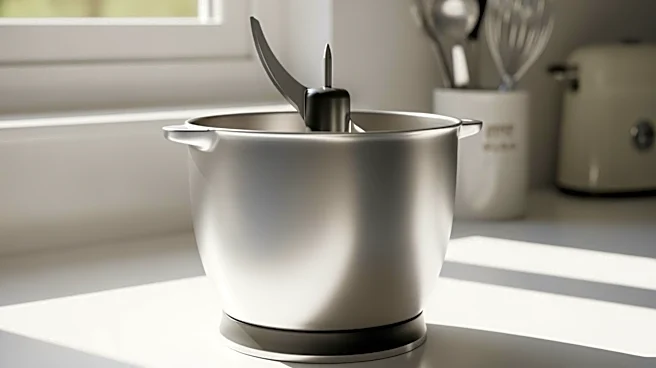
in France during the 1960s when Pierre Verdon, a catering company salesman, noticed the time-consuming nature of food preparation tasks like chopping and mixing. He devised a solution: a bowl with a revolving blade at the base. This simple yet effective invention laid the groundwork for the modern food processor. By 1960, Verdon's idea evolved into Robot-Coupe, a company dedicated to manufacturing commercial food processors for the catering industry.
In the late 1960s, Robot-Coupe introduced a commercial food processor powered by a robust induction motor, marking a significant advancement in the appliance's capabilities. This innovation allowed for more efficient processing of food, catering to the needs of professional kitchens. The Magimix food processor, a product of Robot-Coupe, made its way to the UK in 1974, further popularizing the appliance.
Expansion and Accessibility
The food processor's journey continued with the introduction of the Kenwood Food Processor in 1979 by Kenwood Limited, a UK company. This marked the beginning of food processors becoming more accessible to home cooks, expanding their use beyond commercial kitchens. The appliance's ability to blend, chop, dice, and slice made meal preparation quicker and more convenient.
In 1978, Cuisinart, an American company, sought to make food processors more user-friendly. They hired Marc Harrison, a professor specializing in Industrial Design, to update the product. Harrison's redesign focused on accessibility, incorporating larger writing for those with vision impairments and larger handles and buttons for ease of use. These changes made food processors more inclusive, catering to individuals with limited motor skills and eyesight.
Modern Innovations and Impact
The evolution of food processors did not stop there. In 1980, the USSR began producing the Mriya model, which featured an electric motor with a gearbox and multiple attachments, including a meat grinder and juicer. This model showcased the versatility of food processors, allowing them to perform various tasks with ease.
Today, food processors continue to evolve, incorporating advanced technology and design improvements. They have become indispensable tools in both home and professional kitchens, streamlining food preparation and enabling culinary creativity. The journey from a simple revolving blade to a multifunctional appliance reflects the innovation and adaptability of food processors, solidifying their place as a kitchen staple.