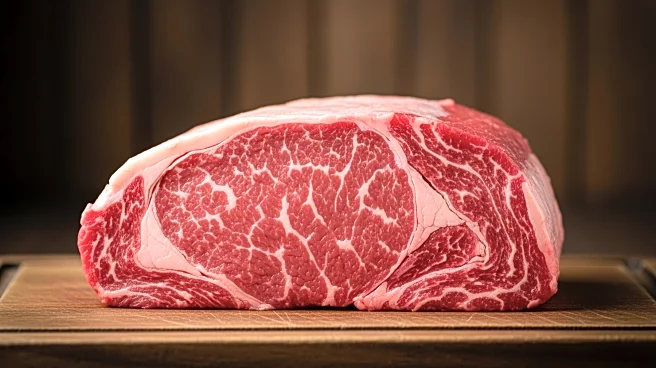




The carnivore diet, also known as a zero-carb diet, is a high-protein eating plan that focuses exclusively on animal products. This diet has gained attention for its simplicity and the bold claims made by its advocates. However, it is also surrounded by controversy due to its lack of scientific backing and potential health risks. In this article, we will delve into the core principles of the carnivore diet, its variations, and the health concerns
associated with it.
The Basics of the Carnivore Diet
The carnivore diet is straightforward in its approach: it involves consuming only animal products such as meat, dairy, and eggs. This means that all plant-based foods, including fruits, vegetables, grains, and legumes, are strictly excluded. The diet is often referred to as a zero-carb diet because it eliminates carbohydrates, which are primarily found in plant foods.
Advocates of the carnivore diet claim that it can lead to weight loss, improved mental clarity, and better overall health. They argue that humans evolved to thrive on a diet rich in animal products and that modern dietary guidelines, which emphasize plant-based foods, are misguided. Despite these claims, the diet lacks scientific support, and many health professionals caution against its restrictive nature.
Variations of the Carnivore Diet
While the basic premise of the carnivore diet is to consume only animal products, there are variations within this dietary approach. One such variation is the lion diet, which is even more restrictive, allowing only beef, salt, and water. This version of the diet gained popularity through social media influencers like Jordan Peterson and his daughter Mikhaila.
Another variation inspired by the carnivore diet is the animal-based diet, which permits the inclusion of certain plant foods like fruit, honey, and raw dairy. This approach was popularized by Paul Saladino, who advocates for a diet centered around red meat but with some flexibility to include non-animal foods.
Health Concerns and Criticisms
The carnivore diet has been criticized for its potential health risks. One major concern is the lack of dietary fiber, which is essential for digestive health. Without fiber, individuals may experience constipation and other gastrointestinal issues. Additionally, the diet's exclusion of fruits and vegetables can lead to deficiencies in essential vitamins and minerals.
Moreover, the high intake of red meat associated with the carnivore diet has been linked to increased risks of chronic diseases such as cardiovascular disease and colon cancer. The diet's impact on cholesterol levels, particularly LDL cholesterol, is another point of concern, as elevated levels are a known risk factor for heart disease.
In conclusion, while the carnivore diet may appeal to those seeking a simple and meat-focused eating plan, it is important to consider the potential health implications and the lack of scientific evidence supporting its benefits. As with any diet, individuals should consult with healthcare professionals before making significant dietary changes.