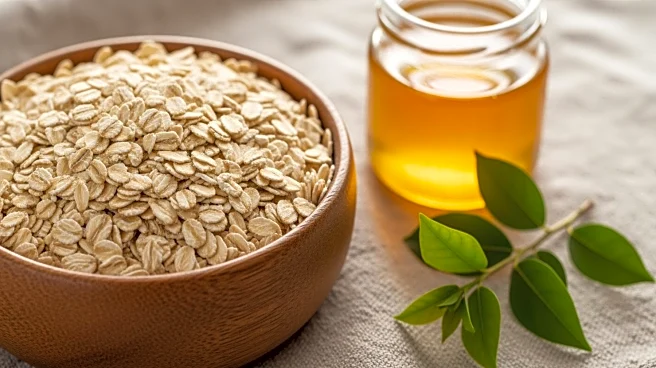




Oats are celebrated for their nutritional benefits, particularly their role in promoting heart health. This article explores the nutritional profile of oats, highlighting their components and the health advantages they offer. As a staple in many diets, oats provide essential nutrients that contribute to overall well-being.
Nutritional Profile of Oats
Oats are a nutrient-rich food, composed primarily of carbohydrates, protein, and dietary fiber. They contain beta-glucans, a type
of soluble fiber known for its cholesterol-lowering properties. In a standard serving, oats provide a significant amount of protein, dietary fiber, and several B vitamins, along with essential minerals like manganese.
The high fiber content in oats makes them a filling and satisfying food choice, helping to regulate digestion and maintain energy levels throughout the day. Their complex carbohydrates provide a steady source of energy, making them an ideal breakfast option for sustained activity.
Health Benefits of Oats
Regular consumption of oat products is associated with lower blood levels of low-density lipoprotein (LDL) and total cholesterol, reducing the risk of cardiovascular disease. The beneficial effects of oats on blood lipids are attributed to the presence of beta-glucans, which help to lower cholesterol levels and improve heart health.
Oats can also aid in weight management, as their fiber content promotes satiety and reduces overall calorie intake. This makes them a valuable addition to diets aimed at reducing body mass index and supporting weight loss efforts.
Oats and Coeliac Disease
While oats are a nutritious food choice, individuals with coeliac disease must exercise caution due to potential contamination with gluten-containing grains like wheat and barley. Pure oats offer improved nutritional value for those on a gluten-free diet, although a small proportion of people with coeliac disease may still react to them.
The use of pure oats in gluten-free diets remains controversial, but they can provide essential nutrients and variety for those managing gluten-related disorders. It is important for individuals with coeliac disease to consult healthcare professionals when incorporating oats into their diet.
Oats are a heart-healthy choice, offering numerous nutritional benefits that support overall health and well-being. Their role in reducing cholesterol levels and aiding weight management makes them a valuable addition to a balanced diet.