






The dip exercise is a popular upper-body strength training movement that targets several muscle groups, including the triceps, deltoids, and pectorals. Known for its versatility, the dip can be performed using various techniques and equipment, making it accessible to a wide range of fitness enthusiasts. This article delves into the different methods of performing dips and the variations that can be incorporated to enhance the workout.
Performing the Standard Dip
The standard
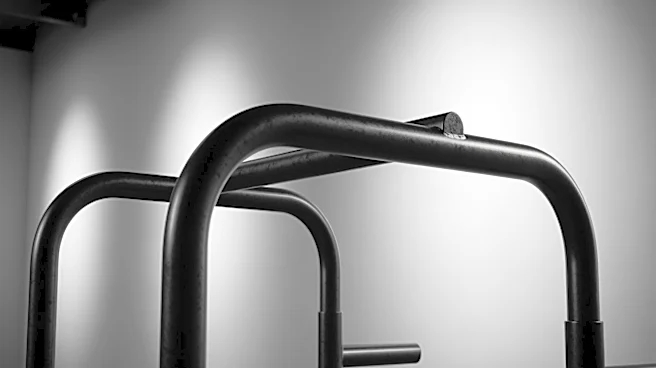
dip is performed using a dip bar, where the exerciser supports themselves with their arms straight down and shoulders over their hands. The movement involves lowering the body until the arms are bent at a 90-degree angle at the elbows, then lifting the body back to the starting position. This technique primarily targets the triceps, with the anterior deltoid, pectoralis muscles, and rhomboid muscles acting as synergists.
Wide shoulder width dips shift the focus more towards the pectoral muscles, similar to the effect of a wide grip bench press. This variation allows for a different muscle engagement, providing a comprehensive upper-body workout. For those seeking to increase resistance, weights can be added using a dip belt, weighted vest, or by holding a dumbbell between the knees or ankles.
Variations of the Dip Exercise
In the absence of a dip bar, a lighter variation known as the bench dip can be performed. This involves placing the hands on one or two parallel benches, with the legs straightened and positioned horizontally, resting on another bench. This variation reduces the total weight lifted, making it suitable for beginners or those recovering from injury.
Another variation includes using gymnastic rings, which add an element of instability to the exercise. The rings require additional balance and control, engaging more muscle groups and enhancing the difficulty of the workout. Assisted dip/pull-up machines can also be used to reduce the force necessary for elevation, making dips accessible to those who may lack the strength to perform them unassisted.
Advanced Techniques and Equipment
For advanced users, the dip exercise can be performed on a power tower, which includes parallel horizontal handles for dips, a pull-up bar for chin-ups and pull-ups, and push-up handles for Atlas push-ups. This equipment allows for a comprehensive upper-body workout, targeting multiple muscle groups.
The dip bar itself can be used for additional exercises, such as handstand pushups or knee raises, providing a versatile tool for strength training. By incorporating these variations and techniques, exercisers can tailor their dip workouts to suit their fitness levels and goals, ensuring a challenging and effective routine.