




Great Sand Dunes National Park and Preserve, located in Colorado, is a testament to the natural beauty and geological history of the region. Originally designated as a national monument in 1932, the area has undergone significant changes over the decades, culminating in its current status as a national park and preserve. This transformation reflects both the natural evolution of the landscape and the changing priorities in conservation and recreation.
Early Designation and Protection
The journey of Great Sand Dunes began in 1932 when it was designated as a national monument by President Herbert Hoover. At that time, the monument covered an area of 143 square kilometers, protecting the unique sand dunes from potential threats such as gold mining and concrete manufacturing. The local community played a crucial role in advocating for this protection, recognizing the dunes as a source of pride and potential tourist attraction.
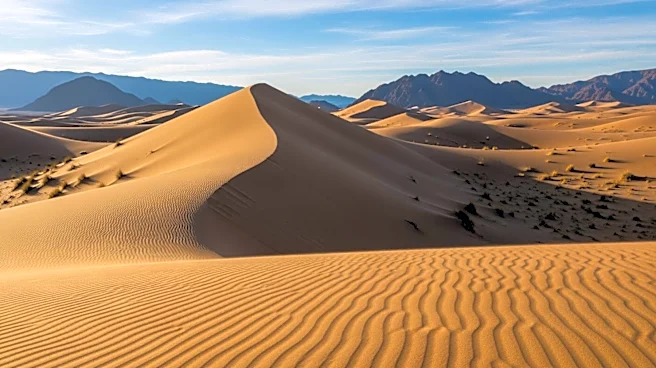
The initial designation aimed to preserve the tallest sand dunes in North America, which rise up to 750 feet. These dunes are a result of sediments from the surrounding mountains, which were carried by winds over tens of thousands of years. The monument status provided a level of protection that helped maintain the natural beauty and ecological integrity of the area.
Transition to National Park and Preserve
In the late 20th century, there was a growing recognition of the need to expand the protected area to include a wider range of ecosystems. This led to the redesignation of the monument as a national park and preserve in 2004. The transformation was authorized by the Great Sand Dunes National Park and Preserve Act, signed by President Bill Clinton in 2000. This act directed the Secretary of the Interior to establish the national park once sufficient land had been acquired.
The expansion quadrupled the size of the protected area, encompassing 603 square kilometers. This included not only the dunes but also the surrounding mountains, forests, and wetlands. The new designation allowed for a more comprehensive approach to conservation, ensuring the protection of diverse ecosystems and the species that inhabit them.
Ongoing Conservation Efforts
Today, Great Sand Dunes National Park and Preserve is managed by the National Park Service, which continues to prioritize conservation and sustainable use of the area. The park is recognized as an International Dark Sky Park, highlighting its commitment to preserving natural nightscapes. Additionally, the park's designation as a national preserve allows for regulated hunting, balancing conservation with traditional land uses.
The evolution of Great Sand Dunes from a national monument to a national park and preserve reflects a broader trend in conservation, where the focus has shifted from protecting individual landmarks to preserving entire ecosystems. This approach ensures that the natural beauty and ecological diversity of the area are maintained for future generations to enjoy.