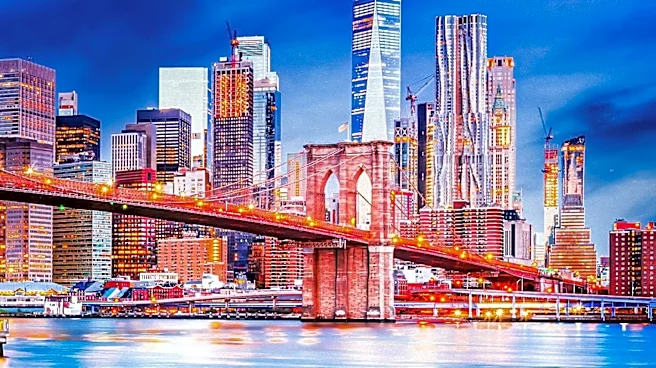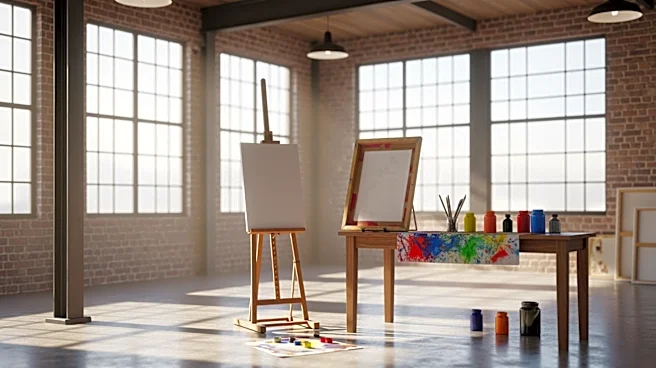

Andy Warhol's Factory was more than just a studio; it was a vibrant center of creativity and innovation that played a crucial role in the development of the Pop Art movement. Located in New York City,
the Factory became a gathering place for artists, musicians, and celebrities, fostering an environment of collaboration and experimentation that left a lasting impact on art and culture.
The Birth of the Factory
In 1964, Andy Warhol moved his studio to 231 East 47th Street in New York City, a space that would become known as the Factory. The studio was covered in aluminum foil and silver paint, creating a futuristic and industrial aesthetic that reflected Warhol's fascination with mass production and consumer culture. The Factory was not just a place for Warhol to create his art; it was a social hub where artists, musicians, and celebrities could come together to collaborate and exchange ideas.
The Factory was a reflection of Warhol's approach to art, which emphasized collaboration and the blurring of boundaries between different artistic disciplines. Warhol employed a team of assistants to help produce his works, allowing him to focus on the conceptual aspects of his art. This collaborative approach was a departure from the traditional notion of the solitary artist and helped to redefine the role of the artist in the modern world.
A Center for Artistic Experimentation
The Factory was a hotbed of artistic experimentation, where Warhol and his collaborators pushed the boundaries of what art could be. It was here that Warhol produced many of his iconic works, including his silkscreen paintings and experimental films. The Factory was also a space for performance art and multimedia events, such as the Exploding Plastic Inevitable, which featured the Velvet Underground and combined music, film, and light shows.
Warhol's approach to art was characterized by a willingness to embrace new technologies and techniques. He was one of the first artists to use silkscreen printing as a fine art medium, allowing him to produce multiple versions of his works and challenge the traditional notion of the unique art object. This embrace of mass production and consumer culture was a defining feature of the Pop Art movement and helped to establish Warhol as one of its leading figures.
The Legacy of the Factory
The Factory's influence extended beyond the art world, impacting music, fashion, and popular culture. It was a place where artists and musicians could collaborate and experiment, leading to the creation of groundbreaking works that continue to inspire new generations. The Factory's open and collaborative environment helped to break down the barriers between different artistic disciplines, paving the way for the interdisciplinary approaches that are common in contemporary art today.
Warhol's Factory was a microcosm of the cultural shifts taking place in the 1960s and 1970s, reflecting the changing attitudes towards art, celebrity, and consumer culture. The Factory's legacy lives on through the artists and musicians who were influenced by its creative energy and through the continued relevance of Warhol's work in today's art world.
In conclusion, Andy Warhol's Factory was more than just a studio; it was a dynamic and influential center of creativity that played a crucial role in shaping the art and culture of its time. Its impact can still be felt today, as artists and creatives continue to draw inspiration from the collaborative and experimental spirit that defined the Factory.