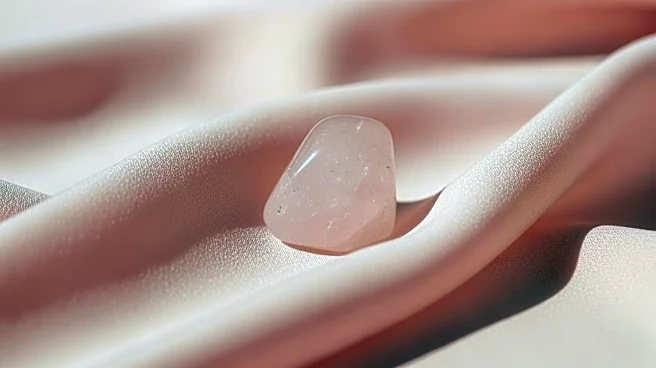

The color blush, a medium bright tone of pink, carries significant cultural and symbolic meanings. It is often associated with emotions such as love, warmth, and tenderness, making it a popular choice
in various artistic and design contexts. This article delves into the cultural resonance of the color blush, examining its use in different fields and its impact on human perception.
Symbolism and Meaning
Blush is a color that evokes feelings of softness and femininity. It is frequently used in fashion and interior design to create a sense of warmth and comfort. The color is often associated with romance and affection, making it a popular choice for weddings and other intimate occasions.
In color psychology, blush is believed to have calming effects, promoting feelings of relaxation and tranquility. It is often used in therapeutic settings to create a soothing environment. The color's gentle hue can also symbolize innocence and purity, adding to its appeal in various cultural contexts.
Use in Art and Design
Artists and designers have long utilized the color blush to convey specific emotions and themes. In visual arts, blush is often used to highlight elements of softness and delicacy, creating a sense of harmony and balance. The color's versatility allows it to be paired with a wide range of other hues, enhancing its aesthetic appeal.
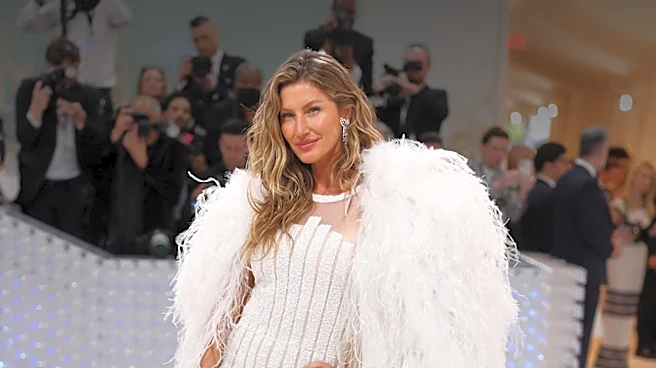
In fashion, blush is a timeless color that transcends seasonal trends. It is favored for its ability to complement different skin tones and create a flattering appearance. Designers often incorporate blush into their collections to evoke elegance and sophistication, making it a staple in both casual and formal attire.
Cultural Impact
The cultural impact of the color blush extends beyond its aesthetic qualities. It is a color that resonates with people on an emotional level, often used to express sentiments of love and compassion. In marketing and branding, blush is employed to create a sense of approachability and warmth, appealing to consumers' emotions.
Blush also holds significance in theater and performance arts, where it is used in makeup to enhance actors' expressions and convey character traits. The color's association with live theater underscores its role in storytelling and emotional expression.
Overall, the color blush continues to be a powerful tool in various cultural and artistic domains, reflecting its enduring appeal and versatility.