
Kapotasana, or Pigeon Pose, has a rich history and has evolved significantly in modern yoga practice. While the pose itself is a kneeling back-bending asana, it is often confused with Rajakapotasana, or King
Pigeon Pose, which is a seated back-bending asana. The evolution of these poses reflects the dynamic nature of yoga and its adaptation to contemporary practice.
Historical Development
The name Kapotasana is derived from the Sanskrit words "kapota," meaning pigeon, and "asana," meaning posture or seat. The pose has been described in various yoga texts over the years, with notable mentions in the 19th-century Sritattvanidhi and the 20th-century Light on Yoga. These texts have contributed to the understanding and practice of Kapotasana in modern yoga.
The Sritattvanidhi, a work by the Maharaja of Mysore, Krishnaraja Wodeyar III, describes a standing pose named Kapotasana, which differs from the modern kneeling version. This historical context highlights the evolution of yoga poses and their adaptation to suit different styles and practices.
Variations and Related Poses
Kapotasana is closely related to Rajakapotasana, or One-legged King Pigeon Pose, which is a seated back-bending asana. Variations of Rajakapotasana include Eka Pada Rajakapotasana, which involves one leg bent forward and the other leg extended back. This pose is often used in advertising to convey flexibility and grace.
The variations of Rajakapotasana, such as Sleeping Pigeon and Flying Pigeon Pose, demonstrate the adaptability of yoga poses to different styles, including Yin Yoga and Aerial Yoga. These variations offer practitioners different ways to experience the benefits of the pose, whether through deep hip opening or supported backbends.
Modern Practice and Adaptation
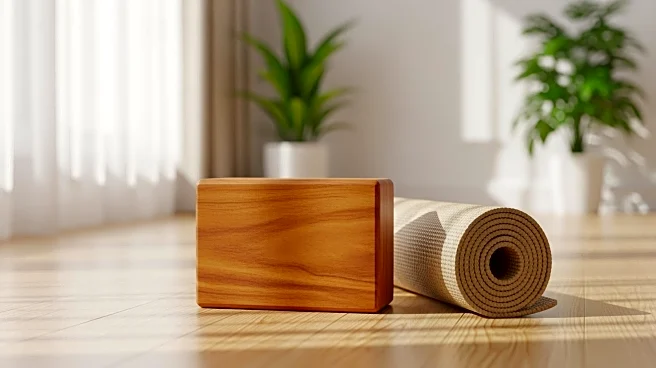
In modern yoga, Kapotasana and its variations are practiced in various styles, including Ashtanga and Iyengar Yoga. In Iyengar Yoga, practitioners use props to support the body and achieve the correct alignment, making the pose accessible to a wider range of practitioners.
The adaptability of Kapotasana and its related poses reflects the inclusive nature of yoga, allowing practitioners to explore different aspects of the pose according to their needs and abilities. This evolution and adaptation ensure that yoga remains a dynamic and accessible practice for all.
The exploration of Kapotasana and its variations highlights the rich history and adaptability of yoga poses, offering practitioners a diverse range of experiences and benefits.