


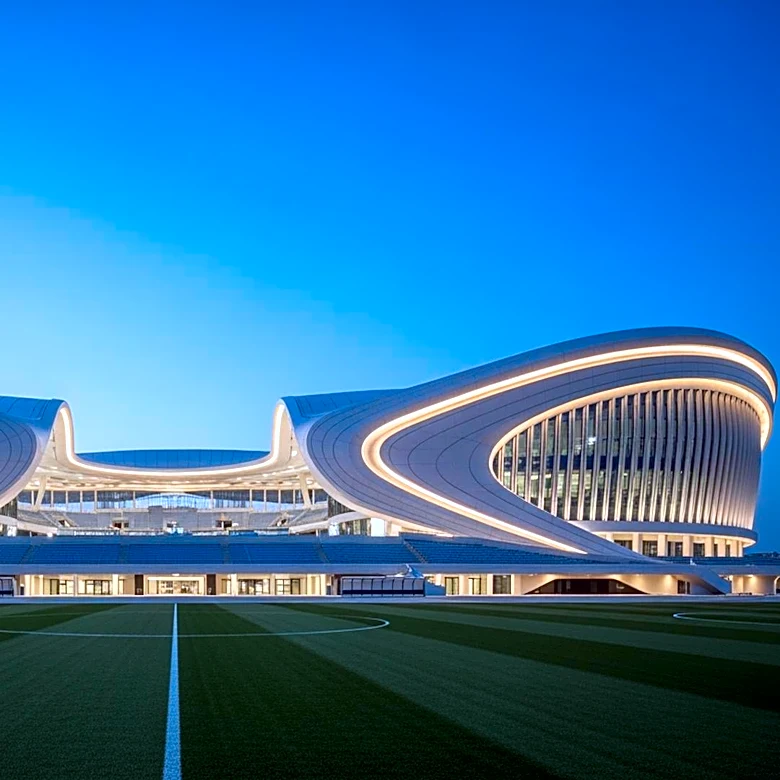




The Fritz-Walter-Stadion, located in Kaiserslautern, Germany, is a venue steeped in history and significance. Named after the legendary German footballer Fritz Walter, the stadium serves as the home ground for 1. FC Kaiserslautern. It has been a central hub for football in the region since its opening in 1920. The stadium's historical importance was further cemented when it hosted matches during the 2006 FIFA World Cup, showcasing its global relevance.
Origins and Naming
The Fritz-Walter-Stadion was opened in 1920 and is situated on the Betzenberg hill, which has led to its nickname "Betze." The stadium is named after Fritz Walter, a celebrated footballer who played for 1. FC Kaiserslautern throughout his career. Walter was also the captain of the German national team that won the 1954 FIFA World Cup, famously known as the "Miracle of Bern." His legacy is deeply intertwined with the stadium, making it a symbol of pride for the local community and football fans across Germany.
The decision to name the stadium after Fritz Walter was a tribute to his contributions to football and his hometown. Walter's influence extended beyond his playing days, as he was named an honorary captain of the German national team in 1958. The stadium's name serves as a constant reminder of his achievements and the impact he had on the sport.
Renovation and World Cup Hosting
In preparation for the 2006 FIFA World Cup, the Fritz-Walter-Stadion underwent significant renovations starting in 2002. The renovation project, costing €76.5 million, included the addition of a media center and a new floodlight system. The stadium's capacity was increased from 38,500 to 49,850, allowing it to accommodate more spectators during the World Cup matches.
The stadium hosted several matches during the 2006 FIFA World Cup, including games featuring teams like Australia, Japan, Italy, and the United States. These matches attracted large crowds, with each game drawing approximately 46,000 spectators. The inclusion of Fritz-Walter-Stadion as a World Cup venue highlighted its importance on the international stage and brought global attention to Kaiserslautern.
Legacy and Cultural Impact
The Fritz-Walter-Stadion continues to be a vital part of Kaiserslautern's cultural and sporting landscape. It serves as a gathering place for fans of 1. FC Kaiserslautern and hosts various events throughout the year. The stadium's historical significance and connection to Fritz Walter make it a cherished landmark in the region.
The legacy of Fritz Walter and the stadium named in his honor is celebrated by fans and visitors alike. The stadium stands as a testament to the enduring impact of football in Germany and the role it plays in bringing communities together. As a venue that has witnessed historic matches and memorable moments, Fritz-Walter-Stadion remains a symbol of pride and tradition in Kaiserslautern.