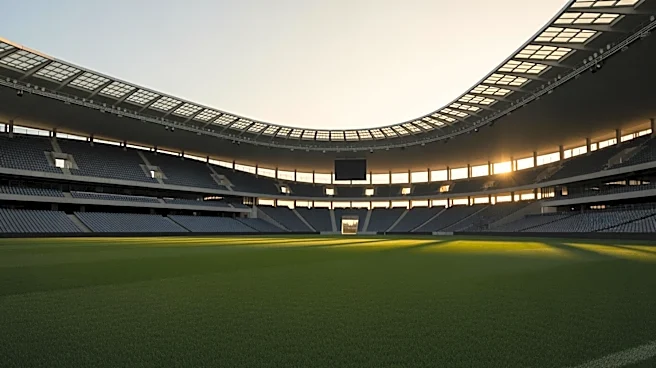

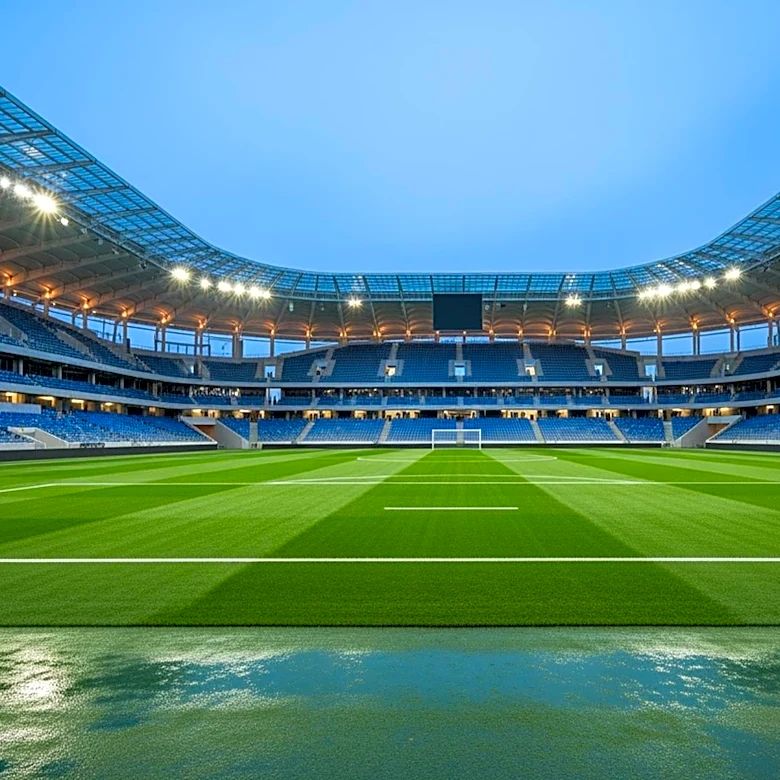






Estádio Beira-Rio, the home of Sport Club Internacional, is not just a football stadium; it is a symbol of triumphs and challenges that have shaped its legacy. Located in Porto Alegre, Brazil, this iconic venue has witnessed numerous historic moments, from its construction in the 1960s to hosting matches during the 2014 FIFA World Cup. The journey of Beira-Rio is a testament to the resilience and dedication of its community.
Construction and Early Challenges
The construction of Estádio
Beira-Rio began in the late 1950s, driven by the vision of creating a world-class venue for Sport Club Internacional. The project faced significant challenges from the outset, as the proposed site was located within the Rio Guaíba. This required a massive landfill operation to create a suitable foundation for the stadium. Despite skepticism and financial difficulties, the project moved forward under the leadership of José Pinheiro Borda, a devoted engineer whose name the stadium would eventually bear.
Community involvement played a crucial role in overcoming these challenges. Fans were encouraged to donate construction materials, and their support was instrumental in keeping the project alive. However, financial setbacks in 1965 temporarily halted construction, highlighting the difficulties faced by the club. It was only through the efforts of the Works Committee and financial assistance from Banco da Província that construction resumed, allowing the dream of Beira-Rio to become a reality.
Inauguration and Sporting Triumphs
The official inauguration of Estádio Beira-Rio took place on April 6, 1969, in a grand ceremony attended by approximately 100,000 people. The event featured a match between Internacional and Benfica, with Claudiomiro scoring the first goal in the new stadium. This moment marked the culmination of years of hard work and dedication, as well as the beginning of a new era for Internacional.
Over the years, Beira-Rio has been the stage for many of Internacional's most significant victories. The stadium hosted the finals of the Brazilian Championship in 1975, 1976, and 1979, with Internacional emerging as champions each time. These triumphs solidified the club's status as a powerhouse in Brazilian football and further enhanced the stadium's reputation as a venue of success.
Modernization and World Cup Legacy
In preparation for the 2014 FIFA World Cup, Estádio Beira-Rio underwent a major modernization process. The project, known as 'Gigante Para Sempre' (Giant Forever), aimed to bring the stadium up to international standards while preserving its historical significance. The renovations included the installation of a new roof, improved seating, and enhanced facilities, ensuring that Beira-Rio remained a world-class venue.
The stadium's role in the 2014 World Cup was a testament to its enduring legacy. Beira-Rio hosted five matches during the tournament, showcasing its ability to accommodate international events. The modernization efforts not only enhanced the stadium's infrastructure but also reinforced its status as a key figure in Brazilian football history.
Estádio Beira-Rio's journey is one of triumphs and challenges, reflecting the resilience and passion of the Internacional community. From its construction in the 1960s to its role in the 2014 World Cup, the stadium has remained a symbol of dedication and success. As it continues to host significant events, Beira-Rio stands as a testament to the enduring spirit of football in Porto Alegre.