



Sous vide cooking, a method that involves vacuum-sealing food and cooking it at low temperatures, is not just a culinary trend but a scientifically grounded technique. This article explores the scientific principles that make sous vide cooking effective, focusing on temperature control, vacuum sealing, and the impact on food texture and flavor.
Temperature Control and Precision
One of the defining features of sous vide cooking is its precise temperature control. Unlike conventional
cooking methods that expose food to high heat, sous vide uses temperatures much lower than usual, typically around 55 to 60 °C for red meat and 66 to 71 °C for poultry. This controlled environment ensures even cooking, preventing the outside from overcooking while the inside reaches the desired temperature.
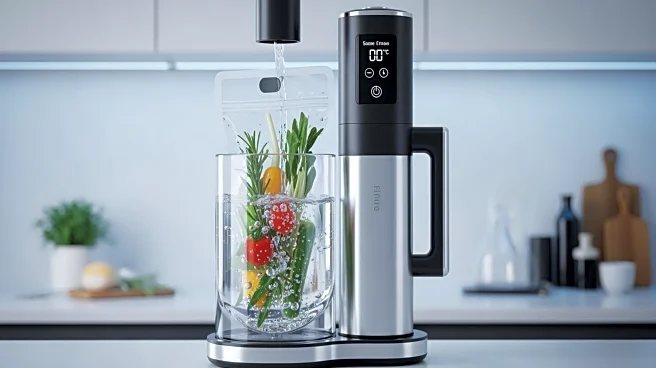
The use of a water bath set at the target cooking temperature allows for precise control over the cooking process. This method ensures that the food cannot exceed the temperature of the water bath, eliminating the risk of overcooking. The result is perfectly cooked food with retained moisture and enhanced flavor.
Vacuum Sealing and Flavor Retention
Vacuum sealing is a crucial component of sous vide cooking. By removing air from the cooking environment, vacuum sealing prevents oxidation and retains the food's natural juices and aromas. This process not only enhances flavor but also allows for longer storage times, as the absence of oxygen inhibits microbial growth.
The vacuum-sealed environment also improves heat transfer between the water bath and the food, ensuring uniform cooking. This technique is particularly beneficial for irregularly shaped or thick items, as it allows heat to penetrate evenly throughout the food.
Impact on Food Texture and Flavor
Sous vide cooking has a significant impact on food texture and flavor. The low-temperature environment allows tough collagen in meat to denature into gelatin without toughening the proteins, resulting in tender and juicy meat. For vegetables, cooking at temperatures below boiling prevents cell walls from bursting, maintaining a firm texture while achieving thorough cooking.
Additionally, sous vide cooking facilitates the development of desired organoleptic flavors while limiting off flavors due to oxidation. The method's ability to concentrate flavors and retain moisture makes it a preferred choice for chefs seeking to enhance the culinary experience.
In conclusion, sous vide cooking is a scientifically grounded method that offers precise temperature control, flavor retention, and improved food texture. Its application in both professional kitchens and home cooking continues to grow, showcasing the method's versatility and effectiveness in achieving culinary excellence.