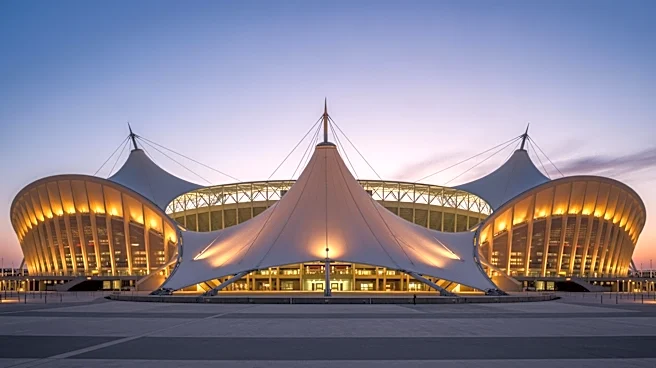






Al Bayt Stadium in Al Khor, Qatar, is not just a venue for football matches; it is an architectural masterpiece that reflects the rich cultural heritage of the region. Designed by Dar Al-Handasah, the stadium's structure is inspired by the traditional tents of the nomadic peoples of Qatar, making it a symbol of the country's history and culture. This article delves into the architectural features and design elements that make Al Bayt Stadium a standout
structure.
A Design Rooted in Tradition
The design of Al Bayt Stadium is deeply rooted in the cultural traditions of Qatar. The stadium's architecture takes inspiration from the traditional tents used by the nomadic tribes of the region. These tents, known for their black, white, and red colors, are reflected in the stadium's exterior, which is covered in a polytetrafluoroethylene (PTFE) woven fiberglass membrane. This choice of material not only pays homage to the traditional tents but also provides durability and weather resistance.
The stadium's retractable roof is another nod to the traditional tents, allowing the venue to be enclosed or open as needed. This feature ensures that spectators can enjoy matches in comfort, regardless of the weather conditions. The roof, along with the stadium's four stands, creates a cohesive design that is both functional and aesthetically pleasing.
Sustainability and Modern Features
Al Bayt Stadium is not only a tribute to tradition but also a model of modern sustainability. The stadium has been certified under the Global Sustainability Assessment System (GSAS) for its sustainable design and construction practices. It received a five-star GSAS rating, highlighting its commitment to environmental responsibility.
The stadium's energy center is designed for efficiency, and the construction management practices employed during its building phase were focused on minimizing environmental impact. These efforts ensure that Al Bayt Stadium is not only a world-class sports venue but also a leader in sustainable architecture.
Future Prospects and Legacy
Following the 2022 FIFA World Cup, Al Bayt Stadium is set to undergo a transformation that will further enhance its legacy. The stadium's capacity will be reduced from 71,000 to 32,000 seats, with the excess seats being donated to other countries or used for the 2030 Asian Games infrastructure. The vacated space will be repurposed into a five-star hotel, a shopping mall, and additional sports facilities.
This reconfiguration ensures that Al Bayt Stadium will continue to serve the community and contribute to Qatar's development long after the World Cup. The stadium's design and future plans reflect a blend of tradition and modernity, making it a true architectural marvel.