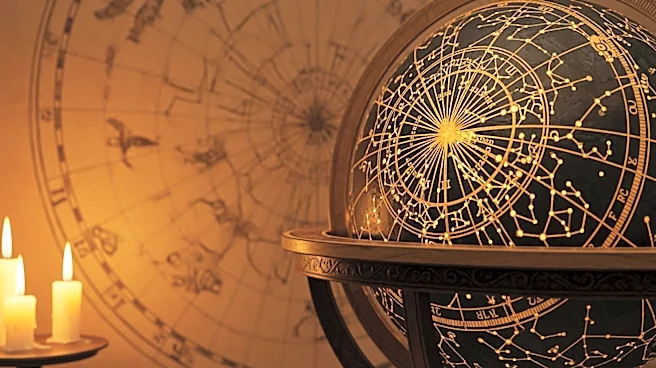







In medieval times, fixed stars were not only objects of astronomical study but also held significant astrological importance. These celestial bodies were believed to influence human affairs and were integral to the practice of astrology in Europe and the Arab world. This article explores the role of fixed stars in medieval astrology, highlighting their perceived powers and the rituals associated with them.
Astrological Beliefs and Practices
Medieval astrologers considered fixed stars
to be powerful influences on earthly events. Each star was thought to possess unique astrological properties, affecting various aspects of life such as health, fortune, and destiny. The Behenian fixed stars, a group of fifteen stars, were particularly significant in this regard. These stars were believed to be sources of astrological power, each associated with specific planets, gemstones, and plants.
Astrologers would use these associations to create talismans and perform rituals aimed at harnessing the stars' influence. For example, when a planet was within six degrees of a Behenian star, its power was thought to be especially potent. This belief system was deeply rooted in the medieval worldview, where celestial phenomena were seen as interconnected with the terrestrial realm.
The Influence of Fixed Stars on Astrology
The study of fixed stars in astrology was influenced by earlier traditions, including those of the Greeks and Arabs. The works of Ptolemy and other ancient astronomers provided a foundation for medieval astrological practices. Astrologers like Heinrich Cornelius Agrippa expanded on these ideas, incorporating fixed stars into their occult philosophies.
Agrippa's "Three Books of Occult Philosophy" detailed the magical workings of the Behenian stars, attributing their origins to Hermes Trismegistus, a legendary figure in occult traditions. This synthesis of astronomical knowledge and mystical beliefs exemplifies the medieval approach to astrology, where science and magic were often intertwined.
Legacy and Modern Perspectives
While the astrological significance of fixed stars has waned in modern times, their historical impact remains noteworthy. The medieval fascination with these stars reflects a broader human desire to understand and influence the cosmos. Today, fixed stars are primarily studied in the context of astronomy, but their legacy in astrology continues to intrigue scholars and enthusiasts.
The role of fixed stars in medieval astrology highlights the complex interplay between science, belief, and culture. These celestial bodies were more than just points of light; they were seen as powerful forces shaping the human experience. As we continue to explore the universe, the historical significance of fixed stars serves as a reminder of the enduring human quest to find meaning in the stars.