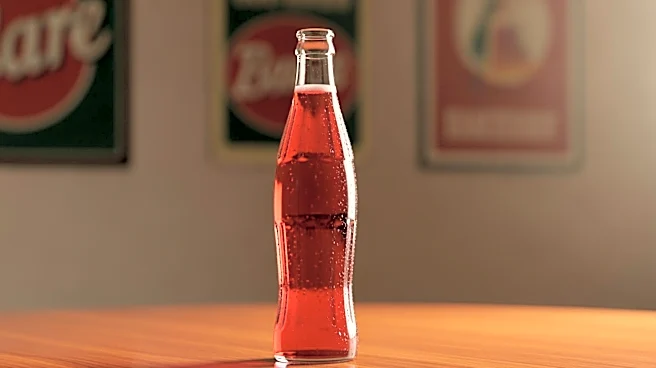

In 1985, Coca-Cola embarked on a bold marketing strategy by introducing New Coke, a reformulated version of its flagship beverage. The decision was driven by competitive pressures and the need to revitalize
the brand. However, the strategy quickly became a case study in marketing missteps. This article explores the marketing decisions and strategy behind New Coke, highlighting key factors that influenced its launch.
Competitive Pressures and Market Research
By the early 1980s, Coca-Cola was losing market share to Pepsi and other diet and non-cola beverages. Pepsi's success was attributed to its sweeter taste, which appealed to younger consumers. Coca-Cola's market research indicated that a reformulated, sweeter version of its beverage could help regain lost ground.
The company conducted extensive taste tests and surveys, which suggested that consumers preferred the new formula over both regular Coke and Pepsi. This data was pivotal in convincing Coca-Cola's management to proceed with the reformulation. The decision was made to coincide with the drink's centenary, adding a sense of occasion to the launch.
Launch and Initial Reception
New Coke was introduced on April 23, 1985, with a major marketing push. The launch was accompanied by free samples and promotional events in key cities like New York and Washington, D.C. Initial sales figures were promising, with an 8% increase over the previous year.
However, the launch was met with skepticism from loyal Coca-Cola drinkers, particularly in the southeastern United States. The emphasis on the new formula's sweeter taste ran contrary to previous advertising, which had touted the original Coke's less-sweet taste as a reason to prefer it over Pepsi.
Marketing Missteps and Lessons Learned
The introduction of New Coke highlighted several marketing missteps. Coca-Cola underestimated the emotional attachment consumers had to the original formula, leading to significant backlash. The company received thousands of calls and letters expressing anger and disappointment.
The episode served as a valuable lesson in brand management, emphasizing the importance of understanding consumer sentiment and brand loyalty. Coca-Cola's experience demonstrated that altering a well-established brand can have unintended consequences. Ultimately, the company reintroduced the original formula as Coca-Cola Classic, acknowledging the power of consumer sentiment and the need to balance innovation with respect for tradition.