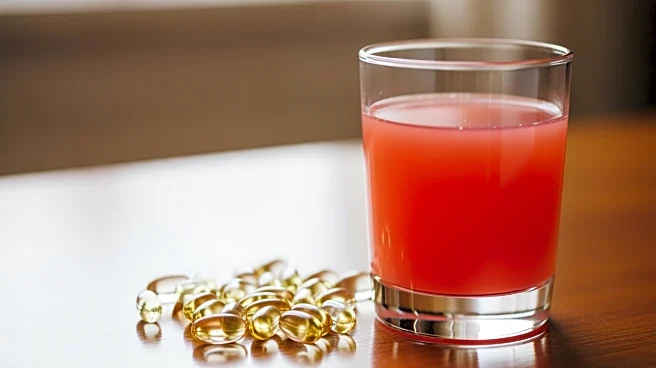

Grapefruit juice is a popular beverage known for its refreshing taste and health benefits. However, it also has a significant impact on the metabolism of various drugs, which can lead to serious health risks.
This article explores the interaction between grapefruit juice and drug metabolism, highlighting the mechanisms involved and the potential dangers for patients.
Mechanisms of Interaction
Grapefruit juice contains compounds known as furanocoumarins, which interfere with the metabolism of many drugs. These compounds inhibit the activity of cytochrome P450 3A4 (CYP3A4), an enzyme responsible for metabolizing nearly half of all drugs. When CYP3A4 is inhibited, the breakdown of drugs is reduced, leading to higher concentrations in the bloodstream. This can result in increased potency and prolonged effects, which may be dangerous for drugs with a low therapeutic index.
In addition to CYP3A4, grapefruit juice affects other enzymes and transporters involved in drug metabolism. It inhibits P-glycoprotein and organo anion transporters, which are responsible for drug absorption across cell membranes. This inhibition can lead to reduced drug absorption and loss of therapeutic effect, further complicating the interaction between grapefruit juice and medications.
Risks and Recommendations
The interaction between grapefruit juice and drugs can lead to various adverse effects, including abnormal heart rhythms, gastrointestinal bleeding, and respiratory depression. These effects are particularly concerning for patients taking medications with a narrow therapeutic range, where small changes in drug concentration can lead to toxicity.
Patients are advised to consult their healthcare providers about the potential interactions between grapefruit juice and their medications. While some experts believe that complete avoidance of grapefruit is unnecessary for most patients, it is crucial to be aware of the risks and take precautions. Affected drugs typically have labels warning against grapefruit consumption, and package inserts provide detailed information on the interaction.
Duration and Timing of Effects
The effects of grapefruit juice on drug metabolism are long-lasting due to the irreversible inhibition of CYP3A4. Once the enzyme is inhibited, it takes approximately 24 hours to regain half of the baseline activity and up to 72 hours for full recovery. This means that separating grapefruit consumption from medication intake does not prevent the interaction.
For drugs affected by the inhibition of OATP transporters, a shorter interval of four hours between grapefruit consumption and medication may suffice. However, it is essential to consult a pharmacist or physician for specific guidance based on the medication involved.
Understanding the impact of grapefruit juice on drug metabolism is crucial for patient safety. By being informed and cautious, patients can minimize the risks associated with this interaction and ensure effective and safe medication use.