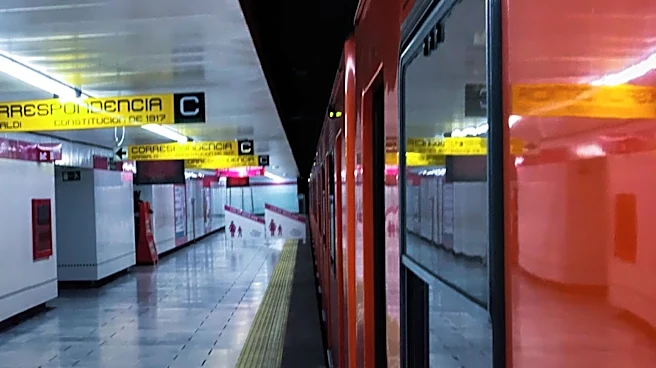







The Estadio Azteca light rail station has been a part of Mexico City's transportation landscape since its opening in 1986. Over the years, it has seen numerous changes and developments, reflecting the city's evolving needs and priorities. This station, named after the adjacent Azteca Stadium, serves as a testament to the dynamic nature of urban infrastructure and its ability to adapt to changing circumstances.
The Early Years
The Estadio Azteca light rail station
began operations on August 1, 1986, providing a crucial link in the Xochimilco Light Rail system. Initially, the station offered northward service toward the Tasqueña light rail station, while also providing southward service toward the borough of Tlalpan. However, the southward service was discontinued in 1990, marking the first significant change in the station's operations.
During its early years, the station played a vital role in connecting various parts of Mexico City, facilitating the movement of residents and visitors alike. Its location along the median strip of Calzada de Tlalpan made it a convenient and accessible option for commuters, contributing to its popularity and importance within the city's transportation network.
Renovations and Upgrades
As the years passed, the Estadio Azteca light rail station underwent several renovations to keep up with the growing demands of the city's population. One of the most significant upgrades occurred between July 2019 and January 2020, when the station was temporarily closed for a major rehabilitation project. This project involved replacing tracks that had been in use since the mid-1890s, ensuring the station's infrastructure was modern and reliable.
These renovations were completed in anticipation of the 2026 FIFA World Cup, which is expected to bring an influx of tourists to Mexico City. The station's upgrades are part of a broader effort to enhance the city's public transportation system, ensuring it can accommodate the increased demand and provide a seamless experience for visitors.
Looking to the Future
The Estadio Azteca light rail station is poised to play an even more significant role in Mexico City's transportation network in the coming years. With the ongoing construction of a trolleybus system and the station's proximity to the CETRAM Huipulco transportation hub, it is expected to become an even more integral part of the city's infrastructure.
As Mexico City continues to grow and evolve, the Estadio Azteca light rail station will remain a key player in the city's transportation landscape. Its history of adaptation and improvement serves as a reminder of the importance of maintaining a modern and efficient public transportation system, capable of meeting the needs of a dynamic and ever-changing urban environment.