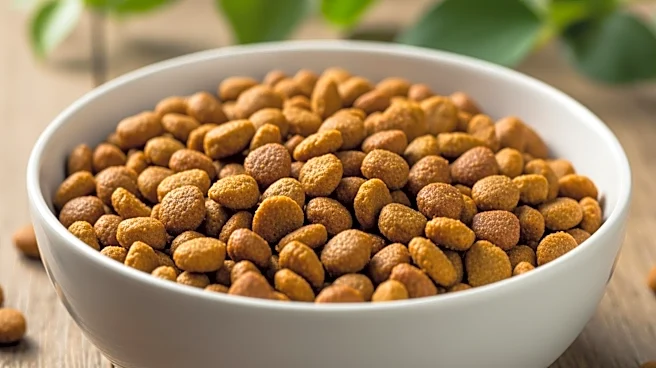








Cats are obligate carnivores, meaning their diet must consist primarily of meat to meet their nutritional needs. This dietary requirement is crucial for their health and well-being, as cats cannot synthesize certain essential nutrients found in animal tissues. Cat food is specifically formulated to address these needs, ensuring that cats receive the necessary nutrients to thrive. This article delves into the nutritional requirements of cats and how
commercial cat food is designed to meet these needs.
Essential Nutrients for Cats
Cats require a diet rich in animal-based proteins to obtain essential nutrients such as taurine and arginine. These amino acids are vital for maintaining a cat's health, as they play critical roles in heart function, vision, and reproduction. Unlike humans and some other animals, cats cannot synthesize these nutrients from plant-based sources, making it imperative that their diet includes sufficient animal protein.
In addition to amino acids, cats need specific vitamins and minerals that are naturally found in animal tissues. For instance, cats cannot convert carotenoids into vitamin A, nor can they synthesize vitamin D from sunlight. Therefore, these vitamins must be present in their diet. Commercial cat food is formulated to include these essential nutrients, often through the addition of supplements to ensure a balanced diet.
The Role of AAFCO in Cat Food Standards
The Association of American Feed Control Officials (AAFCO) plays a significant role in setting nutritional standards for cat food. AAFCO guidelines specify the minimum and maximum levels of essential nutrients that cat food must contain to be labeled as complete and balanced. These standards are based on extensive research and are designed to ensure that commercial cat food meets the dietary needs of cats at different life stages.
Cat food manufacturers often refer to AAFCO standards when formulating their products. This ensures that the food provides all the necessary nutrients for a cat's growth, maintenance, and overall health. By adhering to these guidelines, cat food producers can offer products that support the well-being of cats, whether they are kittens, adults, or seniors.
The Impact of Protein Sources on Sustainability
While high animal protein content is essential for cat food, it raises concerns about sustainability. The demand for animal protein in cat food contributes to environmental impacts, such as land use and greenhouse gas emissions. As a result, there is growing interest in exploring alternative protein sources, such as plant-based proteins, to reduce the environmental footprint of pet food production.
However, any shift towards plant-based proteins must still meet the nutritional needs of cats. Research is ongoing to find sustainable protein sources that can provide the necessary nutrients without compromising a cat's health. As the pet food industry evolves, balancing nutrition and sustainability remains a key challenge.