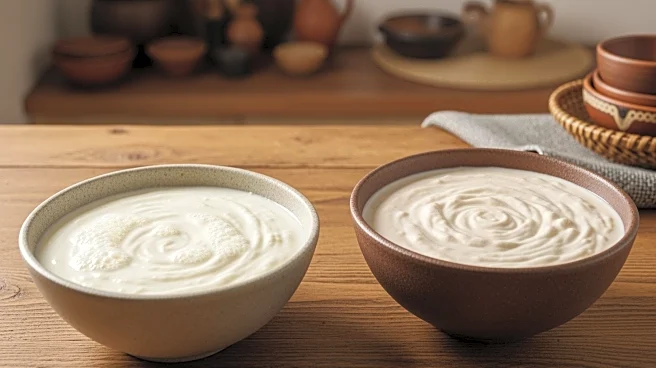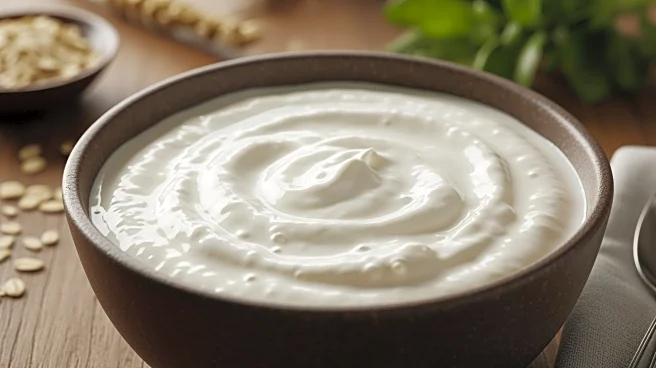




Viili is a fascinating example of how science and tradition come together to create a unique fermented milk product. Originating from the Nordic countries, Viili is known for its distinct texture and taste, which are the result of specific fermentation processes. This article delves into the scientific aspects of Viili fermentation, highlighting the role of bacteria and yeast in its production.
The Microbial Action in Viili Fermentation
The fermentation of Viili involves a complex interplay
of lactic acid bacteria (LAB) and yeast-like fungi. The primary bacteria used in Viili fermentation include Lactococcus lactis subsp. lactis and L. l. cremoris, which are responsible for producing lactic acid. This acidification process is crucial as it transforms lactose, the sugar found in milk, into lactic acid, giving Viili its characteristic sour taste.
Additionally, the aroma-producing bacteria, such as L. lactis subsp. lactis biovar diacetylactis and Leuconostoc mesenteroides, contribute to the flavor profile of Viili. These bacteria produce diacetyl, a compound that imparts a buttery flavor, enhancing the overall taste of the product.
The Role of Yeast and Exopolysaccharides
In addition to bacteria, Viili fermentation involves the action of a surface-growing yeast-like fungus, Geotrichum candidum. This fungus forms a velvet-like surface on Viili, adding to its unique texture. The presence of yeast strains such as Kluveromyces marxianus and Pichia fermentans further enriches the fermentation process, contributing to the complexity of flavors in Viili.
A key component in Viili's texture is the production of exopolysaccharides (EPS) by the slime-forming Lc. lactis subsp. cremoris. These EPS, specifically viilian, are similar to kefiran produced by kefir grains. Viilian plays a crucial role in forming the consistency of Viili, giving it a malleable texture that is distinct from other fermented milk products.
Controlled Fermentation in Modern Production
In contemporary practice, Viili is produced using pasteurized milk in controlled conditions within dairy plants. Laboratory-grown cultures are used to ensure consistency in the fermentation process, allowing for the production of Viili with predictable quality and taste. This controlled environment is essential for maintaining the delicate balance of microbial action that defines Viili.
The availability of Viili in various flavors and forms in grocery stores across Finland and Sweden reflects the advancements in fermentation technology. Different LAB and yeast strains are used to create diverse taste experiences, showcasing the scientific innovation behind Viili production.
Overall, the fermentation of Viili is a testament to the intricate science involved in creating traditional food products. The combination of bacteria and yeast, along with the production of EPS, results in a product that is both unique and cherished in the Nordic region.