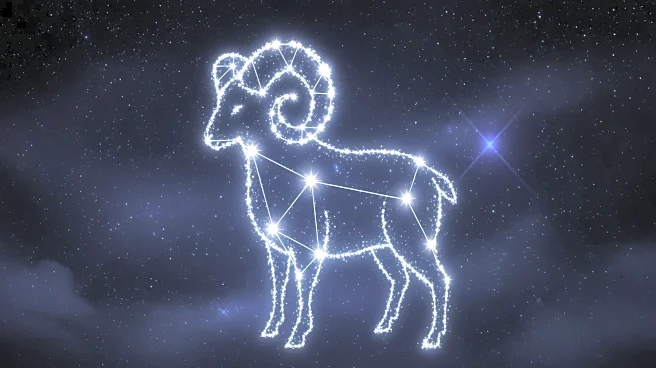




Aries is not only an astrological sign but also a constellation in the zodiac. This dual identity gives Aries a unique place in both astrology and astronomy. This article explores Aries as a constellation, its historical significance, and its role within the zodiac system.
Aries: The Constellation
Aries is one of the twelve constellations that make up the zodiac. It is located in the northern celestial hemisphere and is best visible in the night sky during the months of March
and April. The constellation is relatively small, but it holds a significant place in the history of astronomy and astrology.
Historically, Aries has been associated with the ram, a symbol that dates back to ancient times. The constellation's stars form a pattern that is said to resemble the horns of a ram, reinforcing its symbolic connection. In ancient Babylonian astronomy, Aries was one of the earliest constellations to be identified, and it has been a part of the zodiac since the first millennium BC.
Aries in the Zodiac System
The zodiac is a belt of the sky divided into twelve equal parts, each associated with a constellation. Aries, as the first sign, marks the beginning of the zodiac cycle. This position is significant, as it aligns with the vernal equinox, a time of renewal and new beginnings.
In the zodiac system, Aries is associated with the element of fire, which is linked to energy, passion, and action. This element enhances the dynamic and assertive nature of Aries, making it a sign that is often associated with leadership and initiative. The constellation of Aries, with its historical and symbolic significance, reinforces these themes within the zodiac.
The Cultural Impact of Aries
Aries has had a lasting impact on various cultures throughout history. In Greek mythology, the ram of Aries is associated with the story of the Golden Fleece, a symbol of authority and kingship. This mythological connection adds depth to the cultural significance of Aries as a constellation.
In modern times, Aries continues to be a prominent symbol in astrology. Its position as the first sign of the zodiac makes it a marker of new beginnings and fresh starts. The constellation of Aries, with its rich history and cultural associations, remains an important part of both astronomy and astrology.
In conclusion, Aries holds a unique place in the zodiac as both a constellation and an astrological sign. Its historical significance and cultural impact make it a fascinating subject for exploration. As a symbol of new beginnings and leadership, Aries continues to inspire and influence both the night sky and the world of astrology.