




Dog collars have been a staple in canine care for centuries, serving various purposes from protection to fashion. The evolution of dog collars reflects changes in societal attitudes towards dogs and their roles in human lives. This article explores the journey of dog collars from ancient protective gear to modern fashion accessories.
Ancient Origins and Protective Functions
Dog collars have a long history, dating back to ancient Greece, where they were used primarily for protection. These
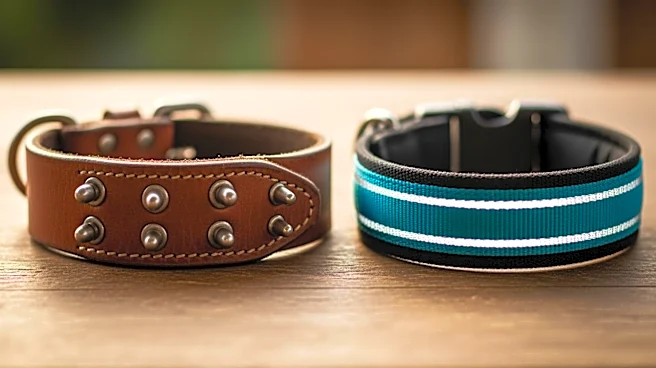
early collars, often studded with metal spikes, were designed to safeguard dogs from predators like wolves. The spikes prevented other animals from biting the dog's neck, ensuring the safety of dogs tasked with protecting livestock. This utilitarian design highlights the practical role dogs played in ancient societies, where they were valued for their ability to guard and protect.
As societies evolved, so did the design and function of dog collars. While the protective aspect remained crucial, collars began to serve additional purposes. Identification tags became common, allowing owners to mark their dogs with essential information. This shift signaled a growing recognition of dogs as individual companions rather than mere tools for protection.
Transition to Training and Control
With the advent of more structured dog training methods, collars adapted to meet new needs. The introduction of training collars, such as choke chains and prong collars, marked a significant shift in their use. These collars were designed to aid in training by applying pressure or discomfort to correct unwanted behaviors. While effective, they sparked debates about the ethics of using aversive methods in dog training.
The development of martingale collars offered a more humane alternative. These collars tightened gently when pulled, preventing dogs from slipping out without causing harm. This innovation reflected a growing awareness of animal welfare and the importance of humane training practices. As training methods evolved, so did the collars, adapting to new philosophies that emphasized positive reinforcement over punishment.
Modern Fashion and Symbolism
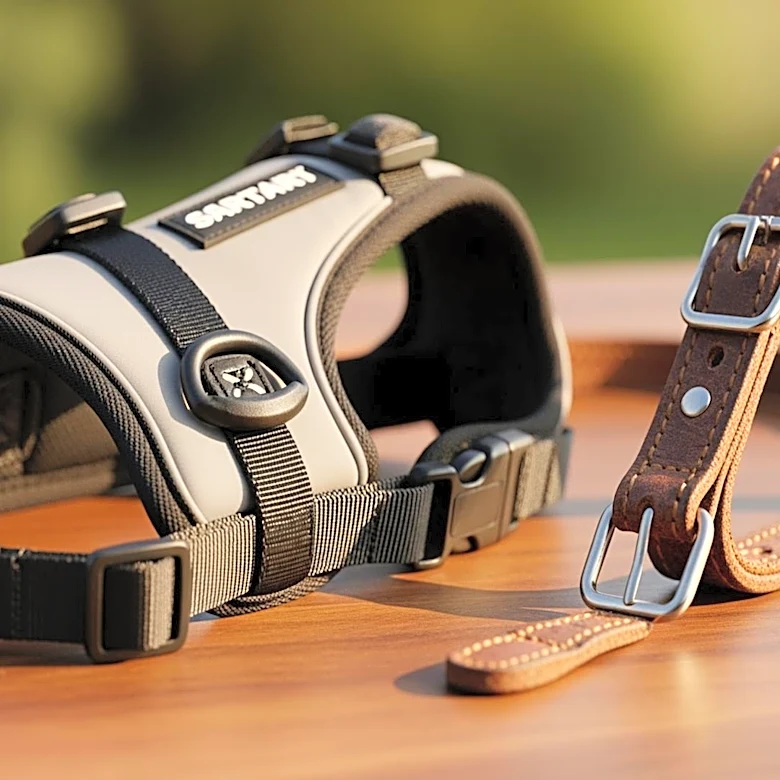
Today, dog collars are as much about fashion as they are about function. The variety of materials and designs available reflects the diverse roles dogs play in modern society. From leather and nylon to decorative collars adorned with accessories, the options are endless. Fashionable collars allow owners to express their style and status, transforming dogs into symbols of personal identity.
The evolution of dog collars mirrors broader societal changes in how dogs are perceived. Once seen primarily as protectors, dogs are now cherished companions, and their collars reflect this shift. As fashion continues to influence collar design, the symbolic role of dogs in human lives becomes ever more pronounced, showcasing the deep bond between humans and their canine friends.