


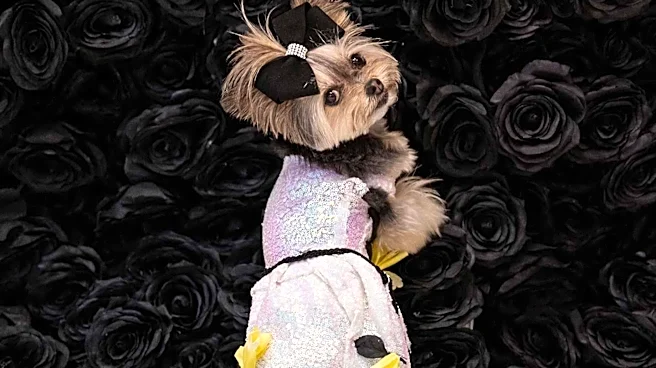
The Yorkshire Terrier, with its small stature and lively personality, is a breed that has undergone a significant transformation over the years. Originally bred as a working dog, the Yorkie has evolved into one of the most popular companion dogs today. This article explores the journey of the Yorkshire Terrier from its working-class origins to its status as a beloved pet.
The Working-Class Roots of the Yorkshire Terrier
In the 19th century, the Yorkshire Terrier was developed in the English county
of Yorkshire. The breed's origins are closely tied to the industrial revolution, as workers from Scotland brought various terrier breeds to Yorkshire. These dogs were primarily used for ratting, a crucial task in the mills and mines of the time.
The breeding of the Yorkshire Terrier was largely carried out by mill operatives in Yorkshire and Lancashire. The goal was to create a small, efficient ratting dog by crossing Black-and-Tan Terriers with the Paisley and Clydesdale Terriers. The resulting breed was not only effective at its job but also began to gain attention for its appearance and personality.
The Transition to a Companion Dog
As the breed gained popularity, efforts were made to standardize its appearance, leading to the Yorkshire Terrier we recognize today. The breed's small size and charming personality made it an ideal companion dog, and it quickly became a favorite among the Victorian elite.
The Yorkshire Terrier was introduced to North America in 1872, and its popularity continued to grow. By the late 19th and early 20th centuries, the breed had become a fashionable pet and show dog. Its playful and energetic nature, combined with its elegant appearance, made it a sought-after companion.
The Modern-Day Yorkshire Terrier
Today, the Yorkshire Terrier is cherished for its lively personality and adaptability. Despite its small size, the breed is known for its confidence and vigor, often described as having an "important air." This characteristic, along with its hypoallergenic coat, has contributed to its enduring popularity.
The breed's journey from a working-class ratting dog to a beloved pet is a testament to its versatility and charm. While the Yorkshire Terrier no longer serves its original purpose, it continues to bring joy to countless families as a loyal and affectionate companion.
In conclusion, the transformation of the Yorkshire Terrier from a working dog to a popular pet highlights the breed's adaptability and appeal. Its rich history and enduring charm make it a favorite among dog lovers worldwide, ensuring its place as a cherished companion for years to come.