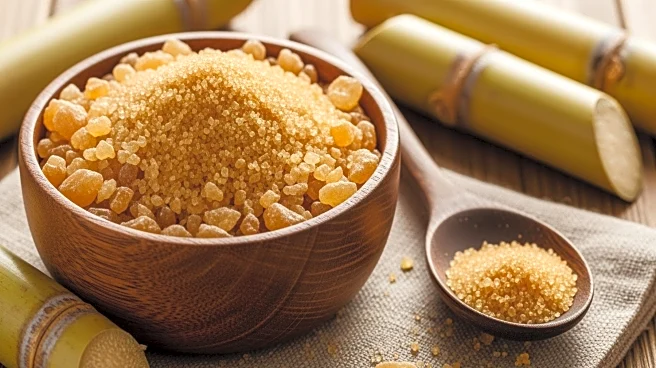

Panocha is a term that carries different meanings across cultures, reflecting the diverse culinary traditions associated with it. In New Mexico and southern Colorado, panocha is a pudding made from sprouted
wheat flour and piloncillo, traditionally consumed during Lent. However, the term 'panocha' also refers to raw sugar in some regions, and in others, it denotes a type of fudge. This article explores the various interpretations of panocha and its significance in different cultural contexts.
Panocha in New Mexico and Southern Colorado
In New Mexico and southern Colorado, panocha is a beloved pudding made from ground sprouted wheat flour and piloncillo. This dish is traditionally eaten during Lent, highlighting its importance in local religious practices. The sprouted-wheat flour, known as 'panocha flour,' is a key ingredient, providing the pudding with its distinctive texture and flavor.
The preparation of panocha pudding involves cooking the sprouted wheat flour with piloncillo until it thickens into a sweet, hearty dessert. This process is often a communal activity, bringing families together to share in the creation of this traditional dish. Panocha pudding serves as a reminder of the region's cultural heritage, passed down through generations.
Panocha in the Philippines
In the Philippines, panocha (also spelled panutsa or panotsa) refers to a traditional native jaggery made in halved coconut shells. This version of panocha is distinct from the pudding found in New Mexico, showcasing the diverse interpretations of the term across different cultures. The jaggery is used as a sweetener in various Filipino dishes, reflecting its versatility and importance in local cuisine.
Additionally, panocha in the Philippines can refer to a type of peanut brittle, known as 'panocha mani.' This variation further illustrates the adaptability of panocha, allowing it to be enjoyed in different forms and flavors.
Panocha as Fudge
In some regions, panocha is synonymous with a type of fudge made with brown sugar, butter, cream or milk, and nuts. This version of panocha, known as penuche, is popular in the United States, particularly in New England and the Southern states. Penuche is characterized by its caramel-like flavor and lighter color compared to regular fudge.
The preparation of penuche involves caramelizing brown sugar and mixing it with butter and milk, resulting in a rich, creamy confection. Nuts are often added for texture, enhancing the overall flavor of the fudge. Penuche is a testament to the versatility of panocha, showcasing its ability to adapt to different culinary traditions.
Panocha is a term that transcends cultural boundaries, offering a glimpse into the diverse culinary practices associated with it. Whether as a pudding, jaggery, or fudge, panocha continues to be a cherished treat enjoyed by many around the world.