
The NFL Draft is more than just a sports event; it is a cultural phenomenon that captures the attention of millions across the United States. As a major televised spectacle, the draft has become an integral
part of American sports culture, influencing fan engagement and media coverage. This article explores the cultural significance of the NFL Draft, highlighting its impact on fans, media, and the broader sports landscape.
Fan Engagement and Community
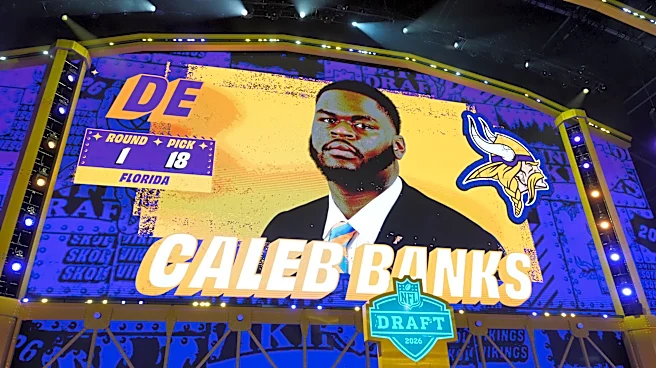
The NFL Draft is a highly anticipated event for fans, offering a glimpse into the future of their favorite teams. Fans eagerly follow the draft, analyzing picks and debating team strategies. The draft provides a sense of hope and excitement, as fans envision new players transforming their teams and leading them to success.
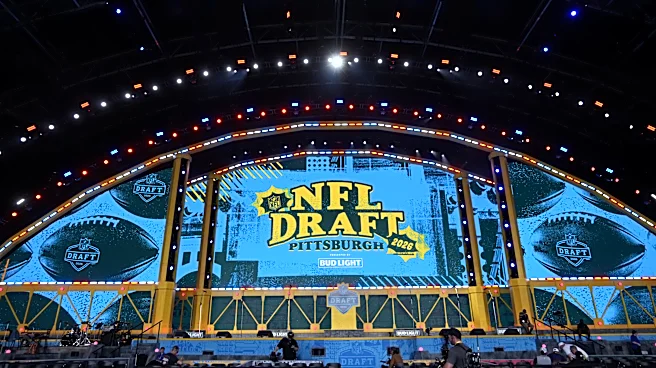
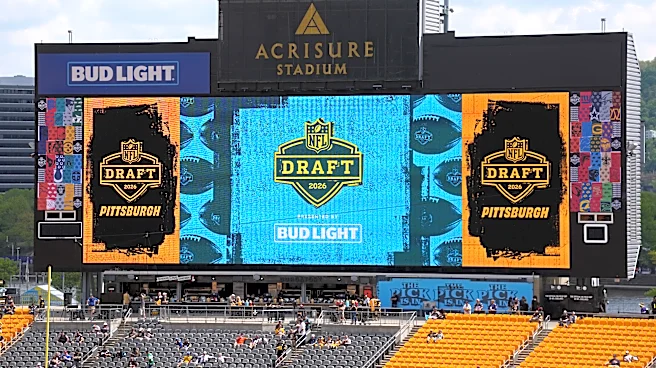
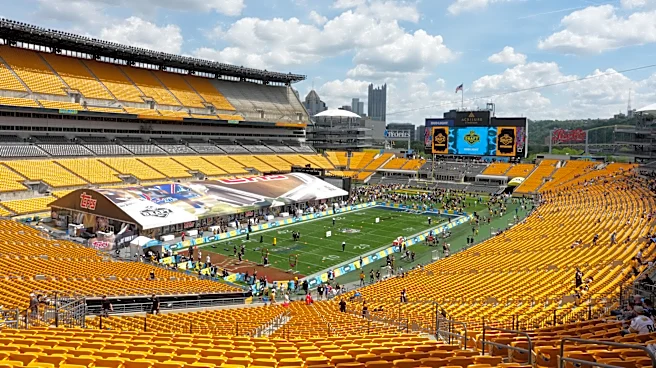
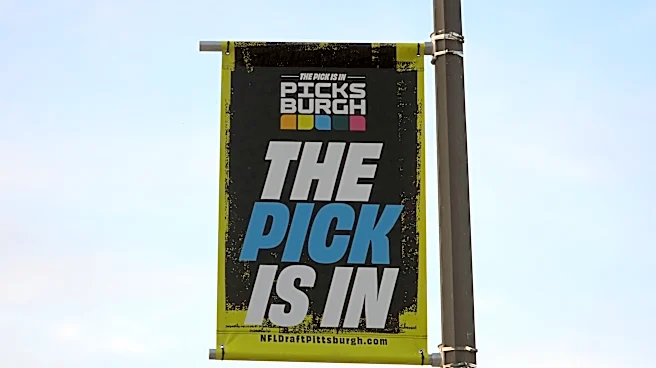
The draft has also become a social event, with fans gathering to watch the proceedings and celebrate their team's selections. Cities hosting the draft create fan festivals and events, drawing large crowds and fostering a sense of community. The draft's ability to engage fans and create a shared experience underscores its cultural significance.
Media Coverage and Popularity
The draft's transformation into a major television event has significantly increased its popularity and cultural impact. Since ESPN first broadcasted the draft in 1980, media coverage has expanded, with multiple networks providing in-depth analysis and commentary. The draft's prime-time coverage attracts millions of viewers, making it a staple of American sports media.
The draft's popularity has also led to the emergence of draft experts and analysts, who provide insights and predictions on player selections. These personalities have become integral to the draft experience, shaping public perception and generating discussion. The draft's media presence highlights its role as a cultural event, influencing how fans engage with the sport.
The Broader Sports Landscape
The NFL Draft's cultural significance extends beyond football, impacting the broader sports landscape. The draft's format and structure have influenced other sports leagues, with the NBA and MLB adopting similar player selection processes. The draft's success demonstrates the appeal of competitive parity and strategic player acquisition, shaping how sports leagues operate.
The draft also reflects broader cultural trends, such as the increasing importance of analytics and technology in sports. Teams use advanced data to evaluate prospects, mirroring the growing emphasis on data-driven decision-making in various fields. The draft's ability to adapt and evolve highlights its cultural relevance, making it a key component of the American sports experience.
The NFL Draft is a cultural event that resonates with fans and influences the sports landscape. Its ability to engage audiences and shape perceptions underscores its significance, making it a vital part of American sports culture.