

Theodore Roosevelt National Park is not only a place of historical significance but also a vibrant ecosystem teeming with diverse wildlife. Located in the badlands of North Dakota, the park provides a sanctuary for a wide variety of species, from bison and elk to prairie dogs and golden eagles. The park's unique ecological features and conservation efforts make it a vital habitat for Great Plains wildlife.
The Park's Diverse Wildlife
Theodore Roosevelt National Park is home to
an impressive array of wildlife, reflecting the rich biodiversity of the Great Plains. Bison, once nearly driven to extinction, roam freely within the park's boundaries. These majestic animals are a symbol of the American West and play a crucial role in maintaining the park's ecological balance.
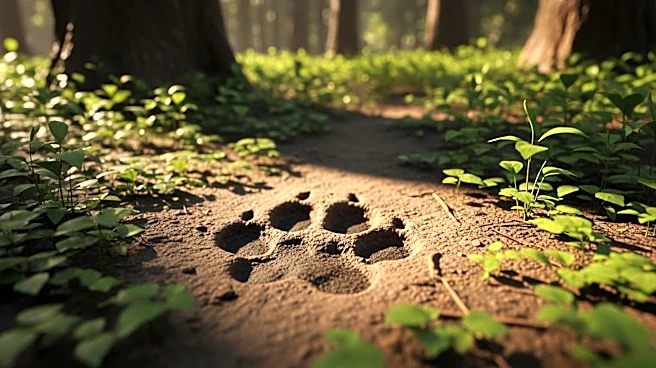
In addition to bison, the park is inhabited by elk, pronghorn, and bighorn sheep, all of which have been reintroduced to the area. The park's management efforts ensure that these populations remain healthy and sustainable. Visitors can also spot mustang horses, coyotes, and cougars, adding to the park's diverse wildlife experience.
Birdwatchers will find the park particularly rewarding, with at least 186 species of birds recorded, including golden eagles, sharp-tailed grouse, and wild turkeys. The park's varied habitats, from grasslands to riverbanks, provide ideal conditions for birdwatching and wildlife photography.
Ecological Features and Conservation Efforts
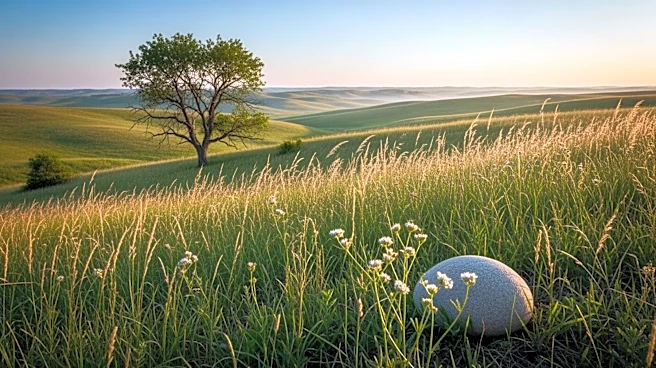
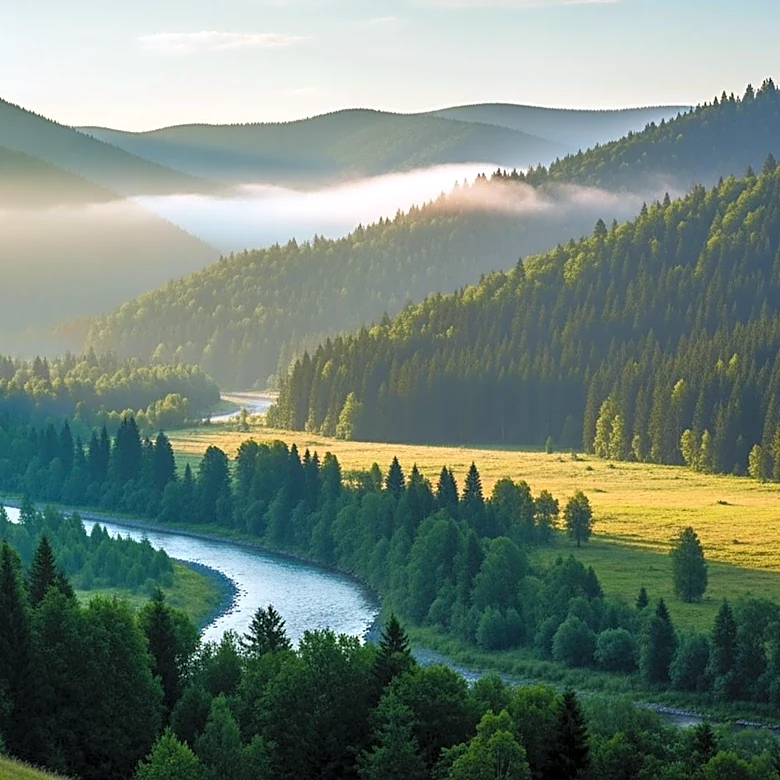
Theodore Roosevelt National Park's landscape is characterized by its rugged badlands, shaped by the erosional forces of the Little Missouri River. This unique topography supports a variety of plant communities, including wheatgrass and needlegrass prairies, as well as floodplain forests.
The park's management is committed to preserving its natural ecosystems and maintaining a balanced environment. Efforts to manage bison, horse, and elk populations are crucial to preventing overgrazing and ensuring the health of native plant species. The park's fencing system helps keep commercial livestock out while allowing native wildlife to move freely.
Prairie dogs, considered a keystone species, play a vital role in the park's ecology. Their burrowing and foraging behaviors promote soil health and plant diversity, benefiting the entire ecosystem. The park's conservation initiatives aim to protect these important species and their habitats.
The Role of Wilderness Areas
Theodore Roosevelt National Park includes the Theodore Roosevelt Wilderness, which covers over a third of the park's area. This wilderness designation protects the park's most pristine and undeveloped sections, allowing visitors to experience the badlands in their natural state.
The wilderness areas provide opportunities for solitude and reflection, much like they did for Theodore Roosevelt during his time in the Dakota Territories. Visitors can explore the park's trails and backcountry, gaining a deeper appreciation for the natural beauty and ecological significance of this unique landscape.
Through its diverse wildlife and commitment to conservation, Theodore Roosevelt National Park continues to honor the legacy of its namesake, inspiring future generations to appreciate and protect America's natural heritage.