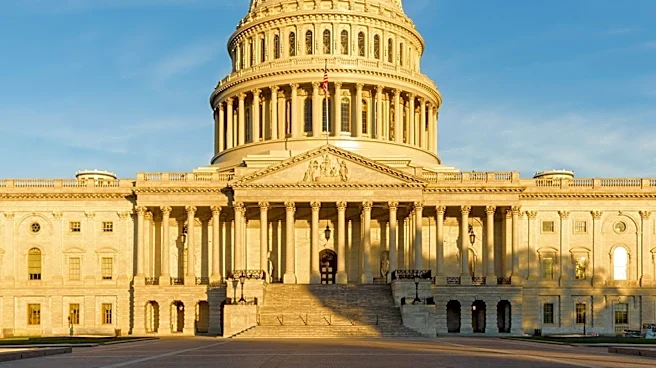


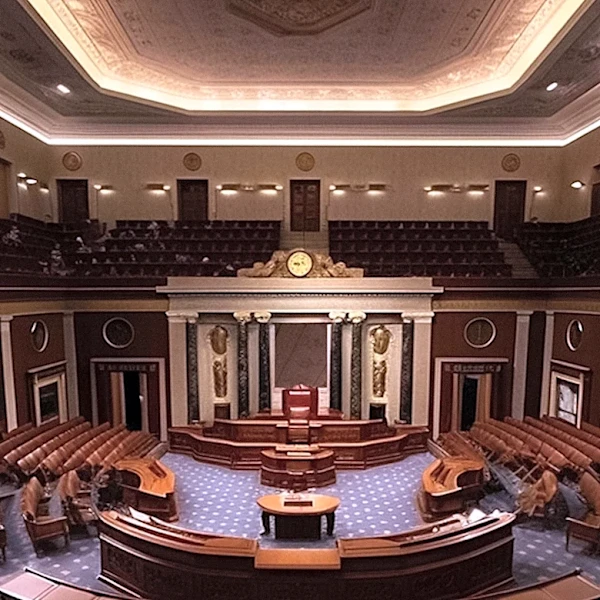





Bob Dole's tenure in the U.S. Senate was marked by significant leadership roles and influential decisions that shaped American politics. Serving from 1969 to 1996, Dole was a prominent figure in the Senate, known for his strategic acumen and ability to navigate complex legislative landscapes. His leadership was characterized by his roles as Senate Majority Leader and Senate Minority Leader, positions that allowed him to steer the legislative agenda
and influence key policy decisions.
Early Senate Career and Committee Roles
Bob Dole began his Senate career in 1969 after defeating former Governor William H. Avery for the Republican nomination. His early years in the Senate were marked by his involvement in various committees, which laid the groundwork for his future leadership roles. Dole served as the chairman of the Republican National Committee from 1971 to 1973, a position that helped him build a network of political allies and gain valuable experience in party leadership.
Dole's committee work was extensive, including his role as the ranking Republican on the Senate Agriculture Committee from 1975 to 1978. This position allowed him to influence agricultural policy, a critical issue for his home state of Kansas. His expertise in finance was further recognized when he became the chairman of the Senate Finance Committee from 1981 to 1985, where he played a pivotal role in shaping economic policy during the Reagan administration.
Senate Majority and Minority Leadership
Dole's leadership capabilities were further demonstrated when he was elected Senate Majority Leader in 1985, a position he held until 1987 and again from 1995 to 1996. As Majority Leader, Dole was instrumental in advancing the Republican legislative agenda, including efforts to reform tax policy and reduce government spending. His ability to negotiate and build consensus was crucial in navigating the often-contentious political environment of the Senate.
In addition to his time as Majority Leader, Dole also served as Senate Minority Leader from 1987 to 1995. In this role, he was responsible for coordinating the Republican response to Democratic initiatives and ensuring that the party's voice was heard in legislative debates. Dole's tenure as Minority Leader was marked by his strategic use of the filibuster and other parliamentary tactics to influence legislation.
Resignation and Presidential Ambitions
In 1996, Dole resigned from the Senate to focus on his presidential campaign, marking the end of a distinguished legislative career. His decision to leave the Senate was driven by his ambition to lead the nation as President, a goal he pursued with the same determination and strategic thinking that characterized his Senate career. Although he did not win the presidency, Dole's legacy in the Senate remains significant, with his leadership style and policy contributions continuing to influence American politics.