
Patchwork is a versatile craft that involves sewing together pieces of fabric to create larger designs. This needlework technique has evolved over time, giving rise to various styles and methods that cater to different artistic preferences. From traditional block patterns to the whimsical crazy quilts, patchwork offers a wide range of creative possibilities. This article explores the different techniques and styles of patchwork, highlighting their
unique characteristics and applications.
Traditional Patchwork Structures
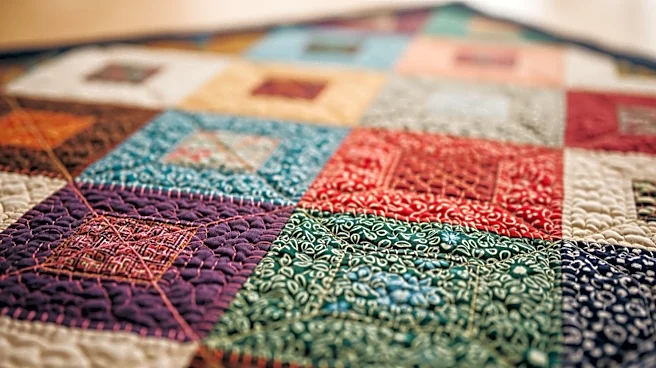
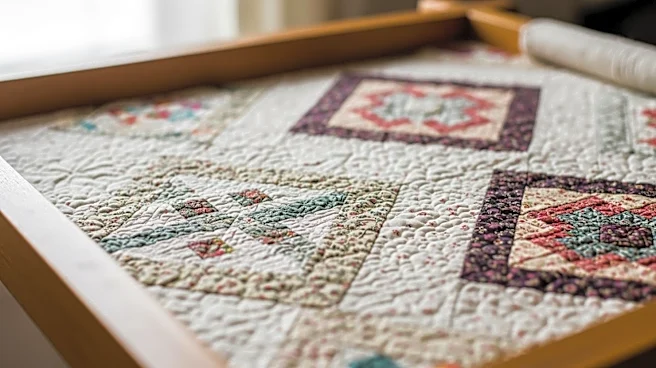
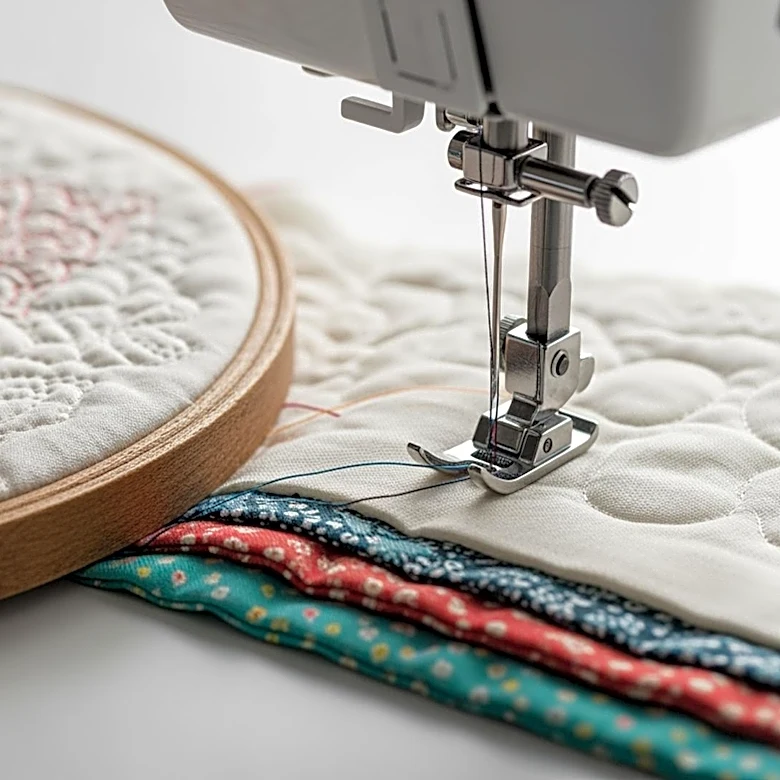
Patchwork compositions are typically constructed using three traditional structures: block, overall, and strip piecing. Block patchwork involves piecing squares made up of colored shapes that repeat specific patterns within the square. These blocks are sewn together in stacked rows to form a larger composition, often separated by strips of contrasting fabric.
Common patchwork block names include Log Cabin, Drunkard's Path, Bear's Paw, Tulip, and Nine Patch. Each pattern has its own distinct arrangement of colors and shapes, allowing for endless design possibilities. Block patchwork is a popular choice for quilts, as it provides a structured and organized approach to fabric assembly.
Overall and Strip Piecing Techniques
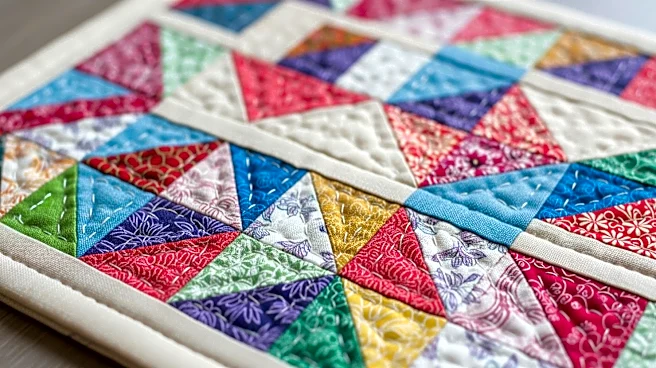
Overall patchwork designs consist of incrementally pieced geometric shapes stitched together to form a larger random or composed design. These shapes can be arranged in a strict order or randomly pieced to create effects such as value progressions or checkerboard patterns. Names like Hit or Miss, Clamshell, and Starburst identify some overall patchwork structures.
Strip piecing involves stitching together pieces of fabric in repeat patterns into long strips, which are then sewn together lengthwise. This technique allows for the creation of dynamic and visually appealing designs, such as the Four Patch pattern. Strip piecing is often used in quilts and other textile projects, offering a straightforward method for assembling fabric.
The Art of Crazy Quilts
Crazy quilting is a unique form of patchwork that gained popularity during the Victorian era. Unlike traditional patchwork, crazy quilts are made up of random shapes of luxurious fabrics like velvets, silks, and brocades. These pieces are stitched together to form non-repeat, asymmetric compositions, embellished with fancy embroidery along the seam lines.
Crazy quilts were considered status symbols, as only well-to-do women had the time and resources to create them. Traditionally, the top of a crazy quilt was left without lining or batting, and many surviving examples still have the newspaper and foundation papers used for piecing. This style of patchwork showcases the artistic potential of fabric assembly, allowing for creative expression and individuality.
Patchwork techniques offer a diverse array of styles and methods, each with its own unique charm and appeal. Whether crafting a traditional block quilt or a whimsical crazy quilt, patchwork provides endless opportunities for creativity and artistic expression. As a timeless craft, patchwork continues to inspire and captivate those who engage in its practice.