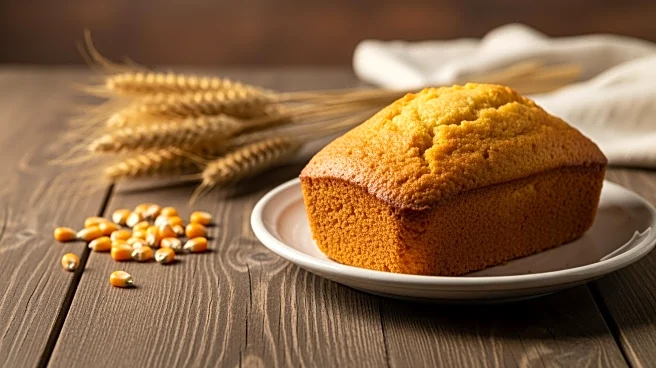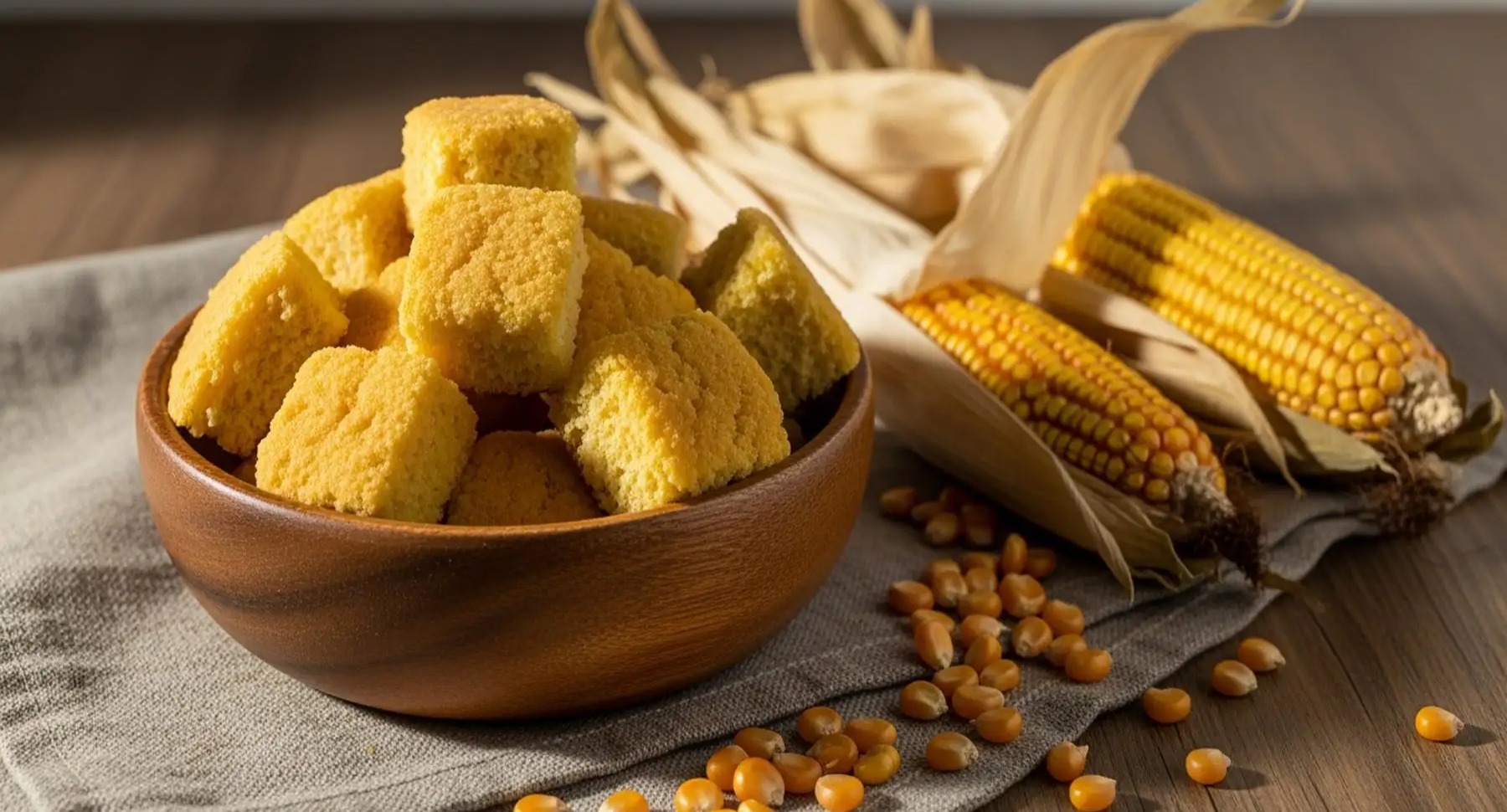

Cornbread has a rich history that spans centuries, evolving from its Native American origins to become a staple in Southern U.S. cuisine. This article explores the historical development of cornbread,
highlighting key milestones and changes that have shaped its modern variations.
Native American Beginnings
The story of cornbread begins with Native American tribes who cultivated corn as a primary food source. Tribes such as the Hopi, Cherokee, and Seneca used cornmeal to create a variety of dishes, including dumplings and pancakes. These early forms of cornbread were often enriched with local ingredients like chestnuts and berries, reflecting the diverse diets of Native American communities.
Cornbread's simplicity and versatility made it an essential part of Native American cuisine. It was a practical solution for utilizing the abundant corn harvests, providing sustenance and nourishment for families and communities.
Adoption by European Settlers
As European settlers arrived in the Americas, they quickly adopted corn-based recipes from Native Americans. Cornbread became a staple in the Southern colonies, where wheat flour was scarce and expensive. The settlers adapted these recipes to suit their own tastes and available ingredients, leading to the creation of new variations.
In the 18th and 19th centuries, cornbread recipes began to incorporate ingredients like buttermilk, eggs, and baking powder. These additions improved the texture and flavor of cornbread, making it more similar to the version we know today. Cornbread's role in Southern cuisine was solidified during this period, as it became a common accompaniment to meals and a symbol of Southern hospitality.
Modern Variations and Debates
In the 20th century, the introduction of steel roller mills changed the texture and flavor of cornmeal, leading to the development of new cornbread recipes. The finer, yellow cornmeal produced by these mills prompted cooks to add sugar and wheat flour to their recipes, resulting in a sweeter, cake-like cornbread.
These changes sparked debates among cornbread enthusiasts, with some preferring the traditional savory version and others favoring the sweeter variation. The choice between white and yellow cornmeal further fueled these discussions, reflecting regional preferences and personal tastes.
Despite these variations, cornbread remains a beloved dish that continues to evolve. Its enduring popularity is a testament to its adaptability and cultural significance, as it brings people together around the table. Whether served as a side dish or a main course, cornbread's journey from Native American roots to modern variations is a fascinating tale of culinary evolution.