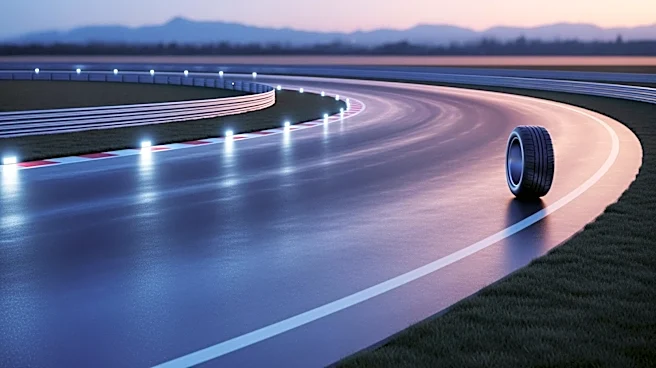

Autopolis is not just another racing circuit; it offers a unique experience due to its geographical location and structural design. Situated in the upland area of Ōita Prefecture, Japan, Autopolis provides
racers and visitors with a distinctive environment that sets it apart from other circuits. This article explores the geographical and structural features that contribute to the uniqueness of Autopolis.
Geographical Location
Autopolis is located near Kamitsue village, 30 kilometers northeast of Kumamoto, within the Aso Kujū National Park. The circuit's placement in an upland area results in thin air and low atmospheric pressure, similar to the conditions found at Autódromo Hermanos Rodríguez in Mexico City. This unique setting presents challenges and opportunities for racers, as the elevation change of over 50 meters requires skillful navigation.
The start/finish straight is positioned at an altitude of 820 meters, adding to the complexity of the racing experience. The circuit's remote location has been a point of criticism, as it is far from major hotels and requires lengthy travel times for visitors. Despite these challenges, the picturesque surroundings and unique racing conditions continue to attract motorsport enthusiasts.
Structural Design
Designed by Yoshitoshi Sakurai, the circuit features a layout that includes both downhill and uphill sections. The first part of the course is generally downhill, while the latter part runs uphill, demanding precision and adaptability from drivers. The circuit's design reflects Sakurai's expertise, as he was the project leader for the Honda F1 team during the 1960s.
Autopolis boasts a high standard of facilities and infrastructure, which has allowed it to host a range of domestic and international motorsport events. The circuit's FIA Grade 2 homologation ensures that it meets international standards, making it a suitable venue for prestigious racing series such as Super GT and Super Formula.
The Racing Experience
Racing at Autopolis is a unique experience due to the combination of its geographical and structural features. Drivers must contend with the elevation changes and thin air, which can affect vehicle performance and strategy. The circuit's design challenges racers to adapt to the varying terrain, making each race an exciting and unpredictable event.
Autopolis continues to be a favored destination for motorsport events, offering a distinctive racing experience that is both challenging and rewarding. Its unique location and design make it a standout venue in the world of motorsport, attracting drivers and fans from around the globe.