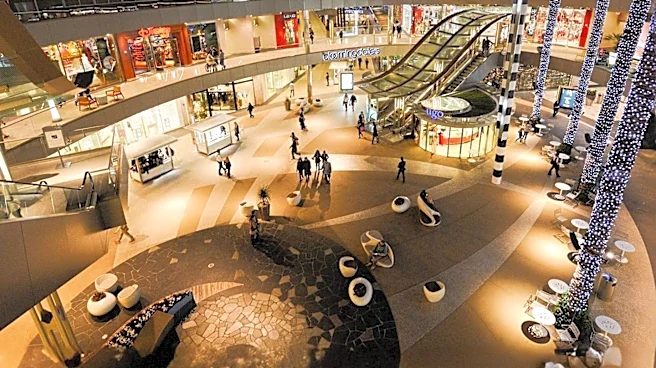

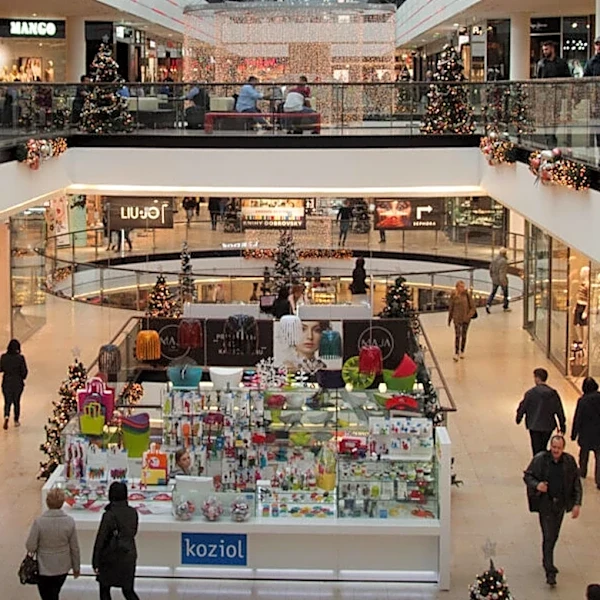







Burnsville Center, located in Burnsville, Minnesota, has been a significant retail hub since its opening in 1977. Over the years, it has undergone numerous changes, reflecting broader trends in the retail industry and adapting to the challenges posed by new competitors like the Mall of America. This article explores the center's journey from its initial planning stages to its current status, highlighting key developments and transformations.
Early Planning and Construction
The idea
for Burnsville Center began in the early 1970s when Sears and Powers Dry Goods acquired a 114-acre plot in Burnsville. The land was strategically located at the intersection of Interstate 35W and County Road 42, making it an ideal spot for a regional shopping center. By 1973, Homart Development Company, a subsidiary of Sears, announced plans for a 1.4 million square foot mall, which was to be the largest in the area at the time.
Construction began in 1974, with the mall's design incorporating features to accommodate disabled shoppers, a forward-thinking move considering the Americans with Disabilities Act would not be enacted until 1990. Despite concerns about slow population growth and a recession, the developers remained optimistic about the mall's success. The grand opening took place on August 3, 1977, with a celebration that drew 29,000 visitors.
Growth and Competition
In its early years, Burnsville Center thrived, with J.C. Penney joining as a fourth anchor store in 1978. The mall's business exceeded expectations, and by its 10th anniversary, it maintained a high occupancy rate. However, the retail landscape began to shift in the 1990s with the opening of the Mall of America in nearby Bloomington. This new mega-mall posed a significant threat, prompting Burnsville Center to adjust its shopping hours to better serve its customer base, which largely consisted of dual-income families.
Despite these efforts, the mall faced challenges in maintaining its competitive edge. Ownership changes occurred, with CBL & Associates purchasing the center in 1998. Renovations in 2001 aimed to modernize the mall, introducing new stores and amenities to attract shoppers.
Recent Developments and Future Prospects
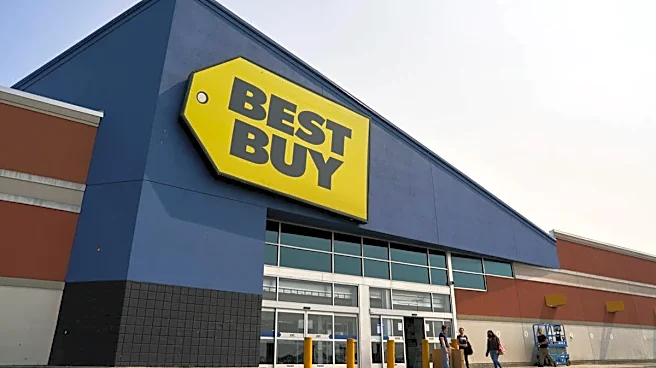
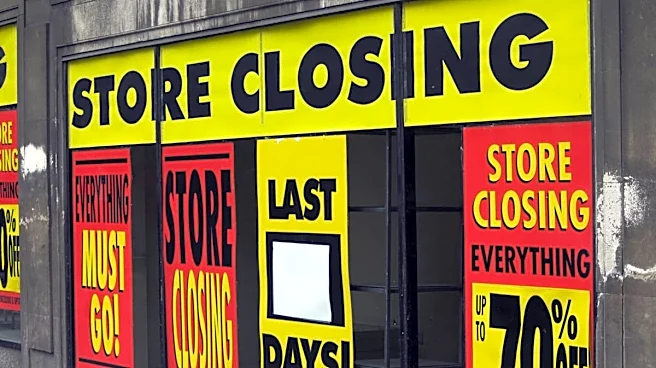
The 2000s and 2010s saw further changes, including the closure of long-standing anchor stores like Sears and Macy's. The mall's management explored various strategies to revitalize the space, including adding new entertainment options and lifestyle centers. In 2020, the mall faced foreclosure due to financial difficulties exacerbated by the COVID-19 pandemic.
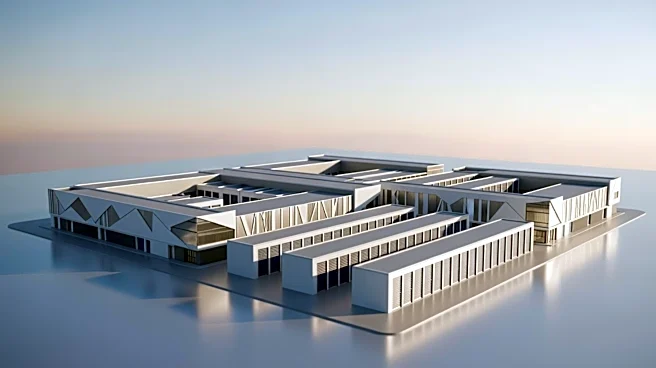
Despite these challenges, there is hope for Burnsville Center's future. New ownership and redevelopment plans aim to transform the mall into a mixed-use space, incorporating retail, dining, and entertainment options. As the retail industry continues to evolve, Burnsville Center's ability to adapt will be crucial in determining its long-term success.