




Intercoolers play a crucial role in the performance of turbocharged engines by cooling compressed air before it enters the engine. This process increases the air density, allowing for more fuel to be burned and thus enhancing engine power. Intercoolers are commonly used in automotive, marine, and industrial applications, providing a significant boost to engine efficiency and reliability.
How Intercoolers Work
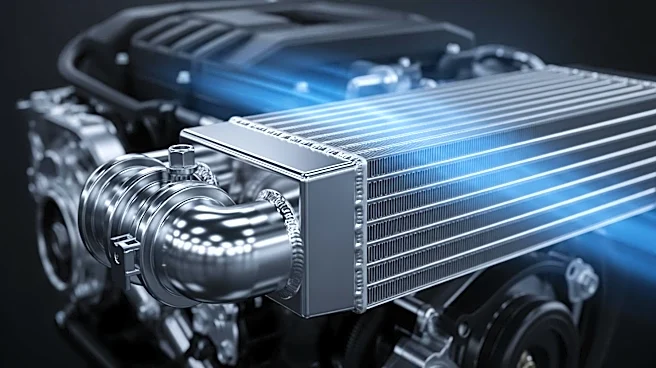
Intercoolers function as heat exchangers, typically using air-to-air
or air-to-water systems to cool the air compressed by the turbocharger. When air is compressed, its temperature rises, which can reduce its density and limit the amount of air entering the engine. By cooling this air, intercoolers increase its density, allowing more oxygen to be available for combustion. This results in improved engine performance and efficiency.
The intercooler is strategically placed between the turbocharger and the engine. Its cooling system is often located at the front of the vehicle or under the hood, where it can benefit from airflow. This setup ensures that the intercooler effectively reduces the temperature of the compressed air, enhancing the engine's power output and preventing pre-combustion issues caused by excessive heat.
Types of Intercoolers
There are two main types of intercoolers: air-to-air and air-to-water. Air-to-air intercoolers are more common in civilian vehicles due to their simplicity and cost-effectiveness. They use ambient air to cool the compressed air, making them easy to install and maintain. On the other hand, air-to-water intercoolers are more efficient but complex and costly. They use water as a cooling medium, which has a higher heat exchange capacity than air, making them ideal for high-performance applications like racing.
Air-to-water intercoolers require an additional radiator to cool the water, adding to the complexity of the system. Despite this, their superior cooling capabilities make them a popular choice in competitive environments where maximum engine performance is crucial.
Historical Development of Intercoolers
Intercoolers have been used in various applications for decades, with their introduction in automotive engines occurring in the early 1980s. Initially, they were installed in large engines, such as those in trucks and industrial machinery, to meet the growing demand for power. The advent of intercoolers, combined with turbocharging, allowed engineers to reduce engine size while increasing torque and power output.
The first automotive intercoolers appeared in vehicles like the Lancia Delta in 1986, marking a significant milestone in engine technology. Since then, intercoolers have become a standard component in turbocharged engines, contributing to the evolution of high-performance vehicles and reducing manufacturing costs by enabling smaller, more efficient engines.