






Shaving cream has a long and fascinating history, evolving from rudimentary concoctions to the sophisticated products we use today. This article explores the journey of shaving cream, highlighting key developments and innovations that have shaped its evolution. From ancient Sumerian practices to the modern-day convenience of aerosol cans, shaving cream has undergone significant transformations to meet the needs of its users.
Ancient Beginnings
The earliest known form
of shaving cream dates back to around 3000 BC in Sumer. This primitive version was a mixture of wood alkali and animal fat, applied to the beard to prepare it for shaving. This concoction was a far cry from the products we use today, but it served the essential purpose of softening hair and providing lubrication for a smoother shave. The use of such mixtures indicates the importance of grooming practices even in ancient times.
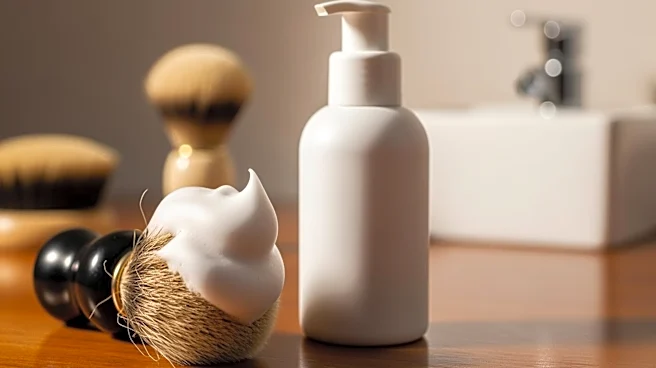
As time progressed, the methods and materials used for shaving evolved. By the early 20th century, hard shaving soaps were commonly used. These soaps required a brush to work them into a lather, a process that was both time-consuming and labor-intensive. Despite these challenges, the use of shaving soap was widespread, as it was one of the few available options for achieving a close shave.
The Birth of Modern Shaving Cream
The modern era of shaving cream began in 1919 when Frank Shields, a former MIT professor, developed the first shaving cream that did not require a brush. This innovation, marketed under the name Barbasol, revolutionized the shaving experience by offering a more convenient alternative to traditional shaving soaps. Barbasol was initially filled and packaged by hand in Indianapolis, marking the beginning of a new era in shaving products.
The introduction of aerosol shaving cream in 1949 further transformed the industry. Rise shaving cream, the first to be sold in an aerosol can, offered unprecedented convenience and ease of use. This innovation quickly gained popularity, capturing a significant share of the market. The use of chlorofluorocarbons (CFCs) as propellants in these cans was later replaced by gaseous hydrocarbons due to environmental concerns.
Shaving Cream in the Modern World
Today, shaving cream is available in various forms, including aerosol, brushless, and lather shaving creams. Each type caters to different preferences and needs, offering a range of options for consumers. Aerosol shaving creams are popular for their convenience, while lather shaving creams are favored by those who enjoy the traditional shaving experience.
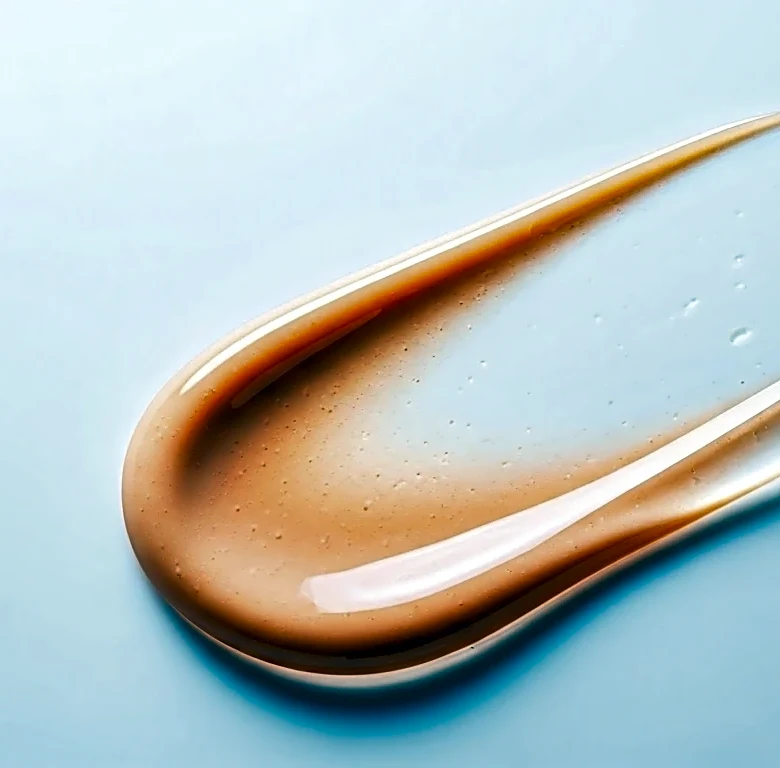
The composition of shaving creams has also evolved, with modern formulations including a mix of oils, soaps, surfactants, and water. Humectants are added to lather shaving creams to maintain moisture, while brushless creams rely on oil-in-water mixtures. These advancements ensure that shaving creams not only provide lubrication but also care for the skin.
In conclusion, the evolution of shaving cream reflects broader changes in grooming practices and consumer preferences. From ancient mixtures to modern formulations, shaving cream continues to adapt and innovate, ensuring a smooth and comfortable shaving experience for all.