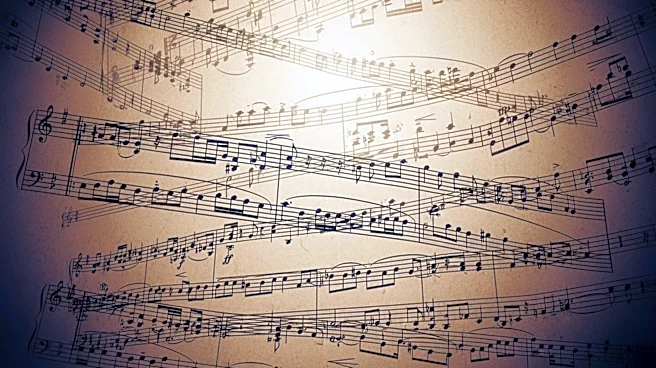

Wolfgang Amadeus Mozart's Violin Sonata No. 32 in B♭ major, K. 454, is a masterful composition that showcases his innovative approach to the violin and piano duo. Composed in 1784, the sonata is notable
for its emphasis on the equality of the two instruments, a feature that was not common at the time. This article explores the musical structure and thematic elements that make this sonata a standout piece in Mozart's repertoire.
The First Movement: Largo – Allegro
The sonata opens with a slow introduction, marked Largo, which sets the tone for the entire piece. This introduction is followed by an Allegro section, where the interplay between the violin and piano is immediately apparent. Mozart's decision to emphasize the equality of the two instruments is evident in the way the themes are shared and developed between them.
The opening theme of the first movement was so influential that it was later echoed by Haydn in his Op. 50 No. 1 String Quartet and by Beethoven in his String Quartet No. 1. This movement's structure allows for a dynamic exchange between the violin and piano, showcasing Mozart's ability to create a balanced and engaging dialogue between the two.
The Second Movement: Andante
Originally marked as adagio, the second movement was later changed to andante, providing a melodic contrast to the lively first movement. This movement is characterized by its lyrical quality and features bold chromatic modulations in the development section. These modulations add depth and complexity to the movement, challenging both performers and listeners.
The andante movement highlights Mozart's skill in creating expressive melodies that are both beautiful and technically demanding. The interplay between the violin and piano continues to be a central theme, with each instrument contributing equally to the overall texture of the music.
The Final Movement: Allegretto
The sonata concludes with an Allegretto movement, which returns to the playful mood of the first movement. This final movement is structured as a rondo, a form that allows for the repetition of the main theme interspersed with contrasting episodes. Despite its playful nature, the movement is sophisticated and requires a high level of technical proficiency from both performers.
The rondo form provides a fitting conclusion to the sonata, bringing together the themes and motifs introduced in the earlier movements. The balance and equality between the violin and piano are maintained throughout, reinforcing the innovative approach that Mozart took in composing this piece.
Mozart's Violin Sonata No. 32 remains a significant work in the classical repertoire, celebrated for its musical structure and thematic richness. Its influence on later composers and its enduring popularity among performers and audiences alike attest to its lasting impact on the world of classical music.